I have seen how quickly a well-organized welding project can develop documentation problems. One missing certificate, an unverified qualification range, or an outdated continuity log can create uncertainty about whether a welder was authorized to complete a particular joint. The weld may be technically acceptable, yet the business may struggle to prove compliance during an audit.
That is why electronic welder certification records have become valuable to fabrication companies, contractors, inspectors, and quality teams. They replace scattered paper documents and isolated spreadsheets with searchable records that connect each worker’s qualifications to approved processes, materials, positions, and production activity.
What Are Electronic Welder Records?
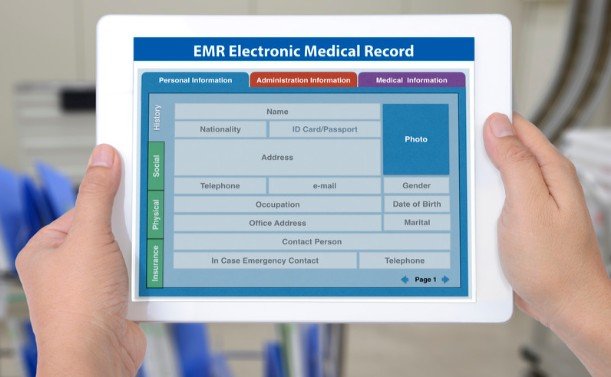
An electronic record is a digital file containing evidence of a welder’s tested abilities and current qualification status. It may include original certificates, test reports, approval signatures, supporting photographs, renewal dates, and evidence that the individual has continued using the applicable process.
A digital certificate should not be treated as a scanned card stored in a folder. A complete system turns the information into structured, searchable data. Supervisors can then filter workers according to process, material group, welding position, joint type, thickness range, diameter, or validity status before assigning work.
This makes the record useful for daily production decisions, not simply something retrieved when an auditor arrives.
Certification, Qualification, and Continuity
These terms are related, but they do not always mean the same thing.
Certification commonly describes formal recognition issued through an organization, testing facility, employer, or certification program. Qualification demonstrates that an individual successfully completed a test under defined variables. The resulting WPQ or WQTR records the conditions used during the test and the range of work the person is qualified to perform.
Continuity provides evidence that the welder has continued using the relevant process within the period required by the governing code or project specification. A certificate may appear current based on its printed date while its supporting continuity evidence is incomplete. Effective digital management must therefore monitor more than expiration dates.
What Information Should Each Record Contain?

A useful record begins with the welder’s full name, unique identification number, employer, location, and contact or personnel information where appropriate. It should identify the qualification test date, certificate number, applicable code, testing organization, inspector, and approval status.
Technical fields should cover the welding process, test position, progression, joint type, backing conditions, base metal, filler metal, deposited thickness, pipe diameter, transfer mode, shielding gas, and other essential variables required by the applicable code.
The file should also contain the WPS used for the test, laboratory or NDT results, visual inspection findings, bend or mechanical test results, approval signatures, qualification range, continuity entries, requalification history, and attached supporting evidence.
Not every project requires identical fields. Effective welding data collection and analysis depend on a record design that follows the applicable standard, contract, client requirements, and company quality program.
How a Digital Certification System Works
The process normally starts when a qualification test is planned. The system assigns a test number and connects the welder, examiner, proposed process, material, position, and procedure. Results are entered after testing, and supporting reports are uploaded to the same file.
Authorized reviewers approve or reject the submission. Once approved, the system generates the qualification document and locks the issued version against uncontrolled editing. Later corrections should create a new revision instead of silently replacing the original information.
During production, completed welds can be connected to the responsible person and WPS. These links help establish continuity while creating a traceable chain between the individual, procedure, joint, inspection result, and final acceptance.
Benefits for Welding Quality Management
Centralized records reduce the time spent searching through filing cabinets, email attachments, shared drives, and separate spreadsheets. A quality manager can see active, approaching-expiration, suspended, and expired qualifications from one dashboard.
Automated notifications give teams time to collect continuity evidence or arrange requalification before a worker becomes unavailable for an important project. Search tools also help supervisors find qualified personnel without relying on memory or assuming that general welding experience covers every required variable.
Electronic records improve audit preparation because documents can be retrieved through a welder ID, project, process, certificate number, or weld number. They also support consistency across multiple facilities and make subcontractor documentation easier to review.
Important Security and Record-Control Features

A reliable system should use role-based permissions so that only authorized people can create, approve, revise, or archive qualification information. Every important action should produce a timestamped audit trail showing who made the change and why.
Electronic signatures, controlled approvals, revision history, secure backups, and recovery procedures protect record integrity. Organizations should also define retention periods, access rules, export formats, and procedures for preserving documents when employees leave or software platforms change.
Cloud access can improve collaboration, but convenience should not override security. Authentication controls, encryption, dependable backups, and clear ownership of exported data should be evaluated before implementation.
Moving From Paper or Spreadsheets
A successful transition begins with reviewing existing files and removing duplicates. Each record should be checked for legibility, validity, missing signatures, incomplete test results, and absent continuity evidence before migration.
Next, organizations should standardize naming rules and required data fields. Scanned documents can be attached as supporting evidence, while essential details should be entered into searchable fields. Importing unreliable information without verification only transfers old problems into a newer system.
A pilot involving a small group of welders can reveal confusing fields, notification problems, and approval bottlenecks. After the workflow is tested, the remaining records can be migrated in controlled stages.
Common Certification Recordkeeping Mistakes
One frequent mistake is assuming that a certificate qualifies a person for every welding assignment. Qualification ranges can be restricted by process, material, position, thickness, diameter, progression, joint configuration, and other essential variables.
Another mistake is recording only the expiration date while ignoring continuity requirements. Businesses may also overwrite amended documents, allow uncontrolled edits, use inconsistent welder names, or store test reports separately from qualification files.
Digital technology cannot correct weak procedures by itself. Companies still need defined responsibilities for reviewing evidence, approving records, monitoring validity, and preventing unqualified work assignments.
Frequently Asked Questions
1. What are electronic welder certification records used for?
Electronic welder certification records are used to document qualifications, test results, approval ranges, continuity, renewals, and supporting evidence. They help supervisors verify that a person is qualified for an assigned welding operation.
2. Can electronic files replace paper certificates?
Digital files may replace or supplement paper records when the governing code, customer, contract, and quality system permit them. The system must preserve authenticity, readability, approval history, and controlled access.
3. What is the difference between WPS and WQTR?
A WPS provides instructions for producing a weld within defined variables. A WQTR documents the test through which an individual demonstrated the ability to weld within a particular qualification range.
4. How often should digital records be reviewed?
They should be reviewed whenever tests, continuity events, job assignments, renewals, or governing requirements change. Automated alerts can support the process, but responsible personnel should verify the underlying evidence.
Final Thoughts
I believe the greatest advantage of digital certification management is not simply eliminating paper. It is giving decision-makers reliable proof that the right person is performing the right work under the correct procedure.
When qualifications, continuity, approvals, test reports, and production history are connected, audits become easier and assignment errors become less likely. With thoughtful migration, strong access controls, and clearly defined review responsibilities, a digital system can turn certification records into an active part of welding quality management.