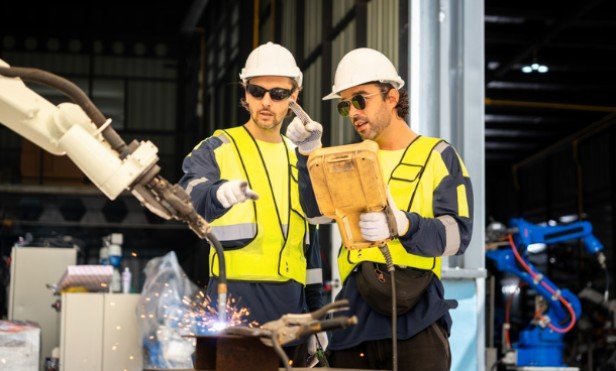
I have seen how quickly a well-executed inspection can become a documentation problem. An inspector may identify a defect correctly, yet handwritten notes, disconnected photographs, outdated drawings, or delayed data entry can weaken the final record. Mobile technology for field welding inspections addresses this gap by allowing inspectors to capture, verify, and share information directly where the work occurs.
Smartphones, rugged tablets, cloud platforms, QR codes, digital weld maps, and connected testing equipment are creating a more organized inspection process. These technologies do not replace professional judgment. Instead, they give qualified inspectors better access to the information and evidence needed to make reliable decisions.
What Mobile Welding Inspection Technology Includes
Mobile inspection technology combines portable hardware with software designed for field conditions. A basic system may consist of a phone or tablet running digital inspection forms. More advanced platforms connect weld identification, drawings, material records, Welding Procedure Specifications, welder qualifications, photographs, NDT results, and corrective actions.
Modern devices also provide built-in cameras, GPS, timestamps, electronic signatures, voice entry, and wireless connectivity. When internet access is unavailable, a capable application stores information locally and synchronizes it after the connection returns.
The result is more than a digital version of a clipboard. A properly configured system connects each observation to the correct project, component, joint, inspector, procedure, and inspection stage.
How Mobile Tools Support the Inspection Workflow
Before Welding Begins
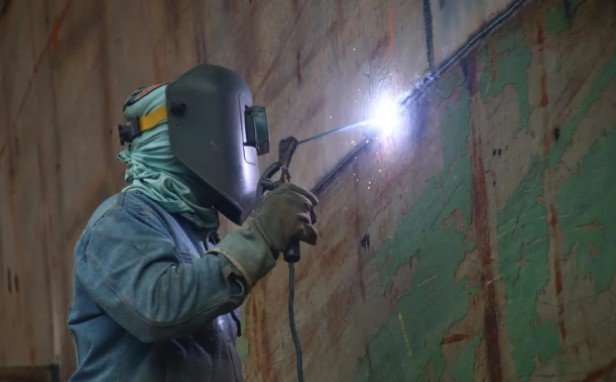
Field inspection starts before the arc is struck. Inspectors must confirm that the approved procedure is available, the welder holds the correct qualification, materials are traceable, consumables are properly controlled, and joint preparation meets project requirements.
A mobile platform can place these records in one location. Inspectors can scan a QR code attached to a joint or work package and immediately retrieve its weld number, drawing location, material heat number, applicable procedure, and inspection history. This reduces time spent searching through binders or contacting the office for documents.
Revision control is especially important. A digital system can show the currently approved drawing or procedure while preventing outdated documents from being used accidentally.
During Welding
During production, inspectors may need to record preheat temperature, interpass temperature, welding process, filler material, environmental conditions, equipment identification, and observed technique. Required fields and conditional forms help ensure that important information is not skipped.
Photographs can be attached directly to the weld record instead of being stored separately on a camera. GPS information and timestamps add context, while image annotation allows an inspector to mark the exact location of a suspected defect.
The application can also alert the user when a value falls outside an approved range. However, the inspector must still interpret the requirement and determine whether the observation represents a reportable nonconformance.
After Welding and NDT
Once welding is complete, the same record can support visual inspection, dimensional checks, repair tracking, and NDT documentation. Results from ultrasonic, radiographic, magnetic particle, or liquid penetrant testing can be connected to the relevant joint. Although ultrasonic testing relies on high-frequency sound waves rather than ultrasonic cavitation, understanding the distinction helps prevent confusion when documenting inspection methods.
If a weld fails, the system can generate a nonconformance record, assign responsibility, document the repair, and schedule reinspection. This creates an uninterrupted history instead of scattering information across forms, emails, photographs, and spreadsheets.
Essential Features for Field Inspection Software

Offline operation is one of the most important capabilities because remote projects may have weak or restricted connectivity. Inspectors should be able to open assigned records, capture evidence, and complete forms without a live connection.
The platform should also offer configurable checklists, required fields, photo annotation, electronic signatures, role-based permissions, revision histories, automatic backups, and searchable records. QR or barcode scanning can accelerate weld identification and reduce manual entry errors.
Integration matters as well. Inspection data may need to connect with document-control platforms, enterprise systems, quality-management software, or project dashboards. Without reliable integration, teams may simply replace paper duplication with digital duplication.
Benefits for Inspectors and Quality Teams
Entering information once at the point of inspection reduces transcription and prevents details from being forgotten at the end of a shift. Structured forms improve consistency, while automatic timestamps and location data strengthen the context surrounding each observation.
Supervisors can review inspection status without waiting for paperwork to reach the office. Open repairs become visible earlier, allowing teams to respond before delayed decisions affect following trades or project schedules.
Digital compliance records for welding businesses also improve traceability. When each weld has a retrievable history, teams can determine who performed it, which procedure applied, what materials were used, which examinations occurred, and whether repairs were accepted.
Compliance Still Depends on Qualified Inspectors
Software cannot make an inspection compliant merely by generating a professional-looking report. Acceptance must remain based on the governing code, contract documents, approved procedures, and project-specific criteria.
Mobile tools should make applicable information easier to access without presenting automated suggestions as final technical decisions. Inspector credentials, data approvals, electronic signatures, and record revisions must remain controlled.
An audit trail should identify who created or modified a record and when the change occurred. Secure access, encryption, backups, retention policies, and controlled exports are essential when records may be examined during audits, claims, or future asset assessments.
Practical Limitations in the Field
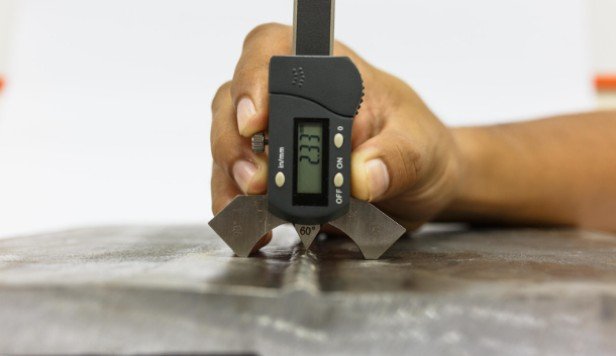
Mobile devices must work in bright sunlight, dust, rain, vibration, and temperature extremes. Inspectors wearing gloves may struggle with small controls, while long shifts can expose battery limitations. Some environments may also require appropriately approved devices because an ordinary smartphone is not suitable for every hazardous location.
Camera quality, network coverage, synchronization conflicts, cybersecurity risks, and inconsistent user training can weaken an otherwise capable system. Organizations should evaluate these issues before selecting a platform.
Technology can also distract inspectors if forms are too complicated. The interface should support the inspection rather than forcing attention away from the weld and surrounding work.
How to Introduce Mobile Inspection Successfully
Implementation should begin with a limited pilot involving actual inspectors and a representative project. The team can map its current workflow, identify duplicated entry, configure essential fields, test offline performance, and establish consistent weld-numbering conventions.
Training should explain both application operation and data responsibility. Organizations should then measure report completion time, missing information, repair response time, synchronization errors, and user adoption. Feedback from field personnel should guide adjustments before wider deployment.
Frequently Asked Questions
1. What is the main purpose of mobile welding inspection software?
Its purpose is to capture inspection evidence at the jobsite and connect it with the correct weld, documentation, findings, repairs, and approvals.
2. Can inspection applications operate without internet access?
Yes. Applications with offline capability can store forms and evidence on the device before synchronizing them when a secure connection becomes available.
3. Does mobile software replace a certified welding inspector?
No. Software organizes information and supports workflows, but qualified personnel must interpret codes, evaluate conditions, and make acceptance decisions.
4. How does mobile technology for field welding inspections improve traceability?
It connects weld identification with procedures, welder qualifications, materials, photographs, NDT results, repairs, signatures, and revision histories in one searchable record.
Final Perspective
I believe the greatest advantage of mobile inspection is not simply faster reporting. Its real value lies in preserving the connection between a physical weld, the inspector’s observations, and the evidence supporting the final decision.
When organizations combine field-ready hardware, practical software, secure data controls, and properly trained inspectors, they can reduce administrative work without weakening technical oversight. The result is clearer communication, faster corrective action, stronger traceability, and inspection records that remain useful throughout the life of the asset.