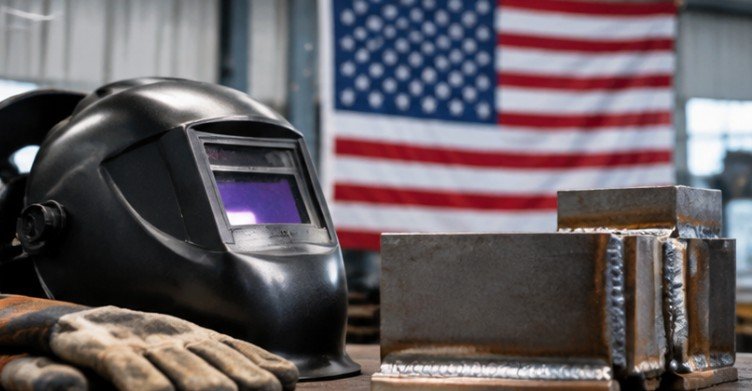
A welder can pass a difficult test, produce a flawless bead, and still not be considered “certified” in the way many employers expect. The difference between an AWS certified welder vs qualified welder is not simply about skill level; it is about who verified the skill, what standard was followed, and where that proof can be used.
In the US welding industry, both terms describe welders who have demonstrated the ability to create acceptable welds. However, the documentation behind each one can have very different value when applying for jobs, bidding projects, or working under strict welding codes.
Understanding the distinction helps welders choose the right path and helps employers avoid assuming that every welding credential means the same thing.
Why welding qualification and certification are often confused
The confusion exists because welding professionals often use the words “certified” and “qualified” interchangeably in everyday conversations. Technically, they describe different parts of proving welding ability.
A welder becomes qualified by successfully completing a performance test that proves they can make a weld according to a specific welding procedure, material type, thickness range, position, and process.
Certification adds another layer of formal recognition. It involves documented verification that the welder met the requirements of a recognized certification program, such as the AWS Certified Welder program.
The important point is that neither credential makes a welder capable of performing every possible weld. A person qualified for a structural steel fillet weld may not automatically be qualified for pressure pipe, aluminum, stainless steel, or specialized applications.
AWS certified welder vs qualified welder: key differences explained
The biggest difference is portability. A qualification is usually connected to a company, project, or specific welding code requirement. An AWS credential is designed to provide a standardized record that can be recognized beyond one workplace.
| Category | Qualified Welder | AWS Certified Welder |
| Who verifies the skill? | Employer, contractor, or authorized testing personnel | AWS Accredited Test Facility following AWS requirements |
| Main purpose | Prove ability for a specific job or welding procedure | Provide recognized certification for specific welding skills |
| Portability | Often limited to employer/project requirements | More portable when properly maintained |
| Documentation | Welder Performance Qualification Record (WPQR/WPQ) | AWS Certified Welder documentation and maintenance records |
| Scope | Limited to tested variables | Limited to the specific AWS test variables passed |
What does it mean to be a qualified welder?
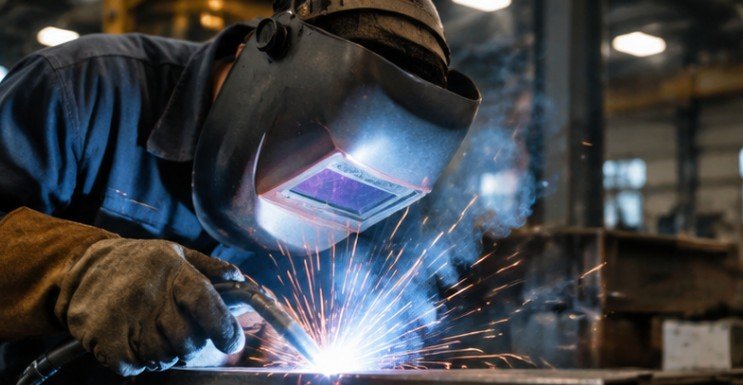
A qualified welder has successfully demonstrated that they can produce an acceptable weld under defined conditions.
For example, a fabrication company working on structural steel may require a welder to pass a test based on AWS D1.1 requirements. The test may evaluate:
- Welding process, such as SMAW, GMAW, or FCAW
- Base metal type
- Joint design
- Welding position
- Thickness range
- Inspection results
The company keeps records showing the welder passed the test. These records prove that the individual is qualified for that specific welding work.
A qualified welder may be highly skilled and experienced. The term does not mean the welder has less ability than someone with certification. It mainly describes how the ability was verified and documented.
What is an AWS Certified Welder?
An AWS Certified Welder has passed a hands-on welding performance test through an AWS Accredited Test Facility. The AWS Certified Welder program evaluates practical welding ability for specific processes and conditions rather than simply testing classroom knowledge.
The test involves creating weld samples that are inspected according to AWS requirements. Depending on the qualification, testing may include visual inspection and additional destructive or nondestructive examination methods.
An AWS Certified Welder credential can help demonstrate competence to employers because the testing process follows a recognized industry framework.
However, the certification still has limits. An AWS Certified Welder who passed a test for one process, material, and position cannot automatically perform every welding operation.
Does an AWS certification replace employer qualification?
No. This is one of the biggest misconceptions.
Many companies still require welders to complete additional qualification tests before working on specific projects. A contractor building bridges, pressure vessels, pipelines, or specialized equipment must follow the applicable welding code and project requirements.
For example, an AWS Certified Welder may still need to qualify under a company’s procedure before welding critical components.
Industry standards exist because welding performance depends heavily on the exact conditions. A welder who performs excellent flat-position MIG welding may need additional testing before performing vertical pipe TIG welding.
Which credential is better for getting welding jobs?
The answer depends on the type of work.
For many general fabrication positions, employers may focus heavily on hands-on experience, previous work examples, and job-specific qualifications.
For industrial sectors such as structural steel, shipbuilding, aerospace, energy, and heavy equipment manufacturing, documented credentials can improve credibility.
An AWS Certified Welder credential may be especially useful for welders who:
- Change employers frequently
- Want broader career opportunities
- Work with contractors requiring standardized credentials
- Need documented proof of skill
A company qualification may be enough for welders who remain with one employer and perform consistent welding tasks.
How to check which welding credential you actually need
Before spending money on testing, use this simple checklist:
1. Identify the industry
Ask whether the work involves:
- Structural steel
- Pressure vessels
- Pipelines
- Manufacturing
- Automotive repair
- General fabrication
Different industries follow different standards.
2. Identify the welding process
A credential for MIG welding does not automatically cover:
- TIG welding
- Stick welding
- Flux-cored welding
- Submerged arc welding
Each process requires different skills.
3. Check the governing code
Common welding standards include AWS structural welding codes, ASME requirements for pressure applications, and API requirements for pipeline work.
NIOSH Welding and Cutting Safety Resources provides welding safety research and resources because welding involves serious workplace hazards, including fumes and exposure risks.
4. Maintain your records
Continuity records matter. Many welding credentials require proof that the welder has continued performing the qualified work within required time periods.
Good recordkeeping prevents unnecessary retesting.
Common misconceptions about welder certification
“Certified means the welder can weld anything”
False. Certification only proves ability within the tested limits.
“Qualified welders are less skilled”
False. A qualified welder may have decades of experience. Qualification describes the verification method, not the person’s talent.
“One welding test covers every material”
False. Welding aluminum, stainless steel, carbon steel, and exotic alloys often requires different procedures and qualifications.
Where to learn more about welding standards
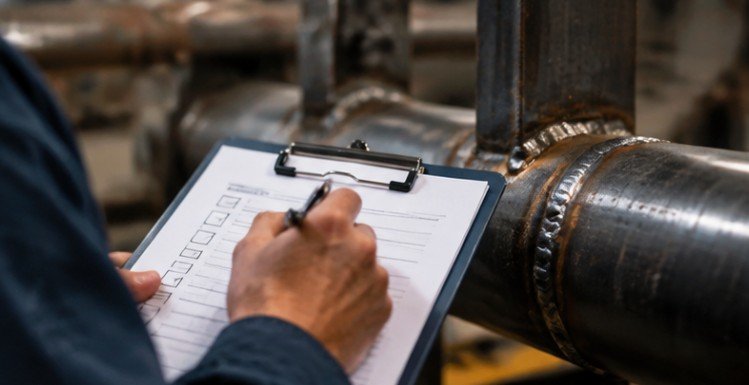
For welders building their careers, understanding standards is just as important as improving technique. Resources from organizations such as the American Welding Society, OSHA, and educational institutions can help explain safety, training, and compliance requirements.
OSHA provides workplace welding safety guidance covering hazards, protective equipment, and safe welding practices.
The AWS official certification information explains available welding credentials and testing pathways.
For those interested in expanding practical knowledge, topics such as welding certification preparation resources can provide useful direction before taking a test.
Frequently Asked Questions
1. Is an AWS Certified Welder better than a qualified welder?
Neither is automatically better. AWS certification offers broader recognition, while qualification proves ability for a specific welding requirement.
2. Can an AWS Certified Welder weld any type of metal?
No. Certification only covers the processes, materials, positions, and conditions included in the test.
3. Do employers still test AWS Certified Welders?
Yes. Employers may require additional qualification tests for specific projects or welding procedures.
4. How long does AWS welder certification last?
AWS Certified Welders must maintain certification records and meet AWS maintenance requirements to keep their credential active.
The difference between an AWS credential and a workplace qualification comes down to one simple idea: proof of skill is only meaningful when it matches the work being performed. A great welder understands not only how to create a strong weld but also how to document that ability. Whether you pursue AWS certification, employer qualification, or both, the goal remains the same—showing that your welds can be trusted when quality and safety matter most.