Latest posts
-
Can Aluminum Be Welded Outdoors? What Actually Makes It Work
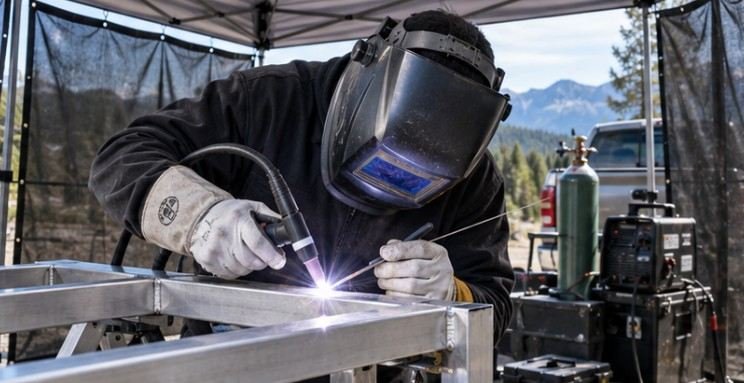
A light breeze can turn a clean-looking aluminum weld into a porous one before the welder realizes anything has gone wrong. That is the central challenge of field work: aluminum itself does not object to being outdoors, but the welding process is unusually sensitive to the outdoor environment. So, can aluminum be welded outdoors? Yes.…
-
Welding Cable Size for Long Leads: How to Choose the Right Gauge Without Losing Arc Performance
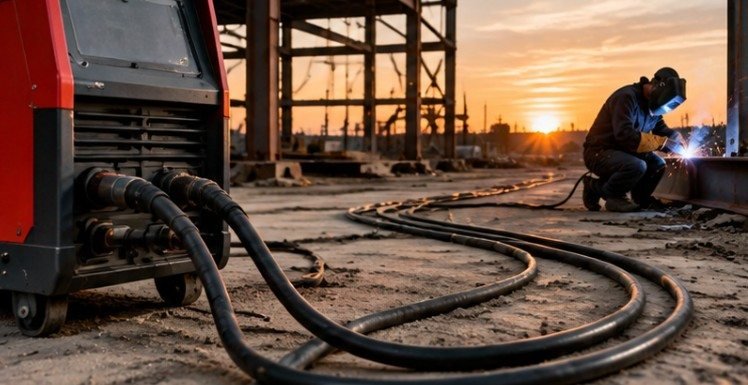
A welding machine can deliver hundreds of amps, but that power means little if the cable carrying it cannot handle the distance. The wrong welding cable size for long leads can cause voltage drop, weak arcs, excessive heat, and premature cable failure—even when the welder itself is working perfectly. Many welders focus on machine amperage…
-
AWS Certified Welder vs Qualified Welder: The Difference That Can Affect Your Welding Career
A welder can pass a difficult test, produce a flawless bead, and still not be considered “certified” in the way many employers expect. The difference between an AWS certified welder vs qualified welder is not simply about skill level; it is about who verified the skill, what standard was followed, and where that proof can…
-
The High-Stakes Physics of Welding in the Rain: Electrical Hazards, Metallurgy, and Critical Safety Protocols
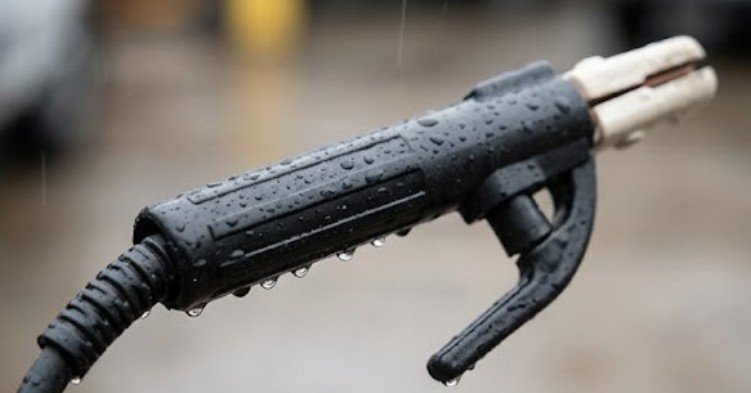
A damp leather glove can drop the electrical resistance of human skin from roughly 100,000 ohms to less than 1,000 ohms in seconds. When you hold an active electrode holder under those conditions, standard open-circuit voltages become lethal fast. Understanding welding in the rain safety isn’t just about wearing rubber boots—it requires knowing how water…
-
OSHA Standard 1910.252 compliant field welding safety checklist
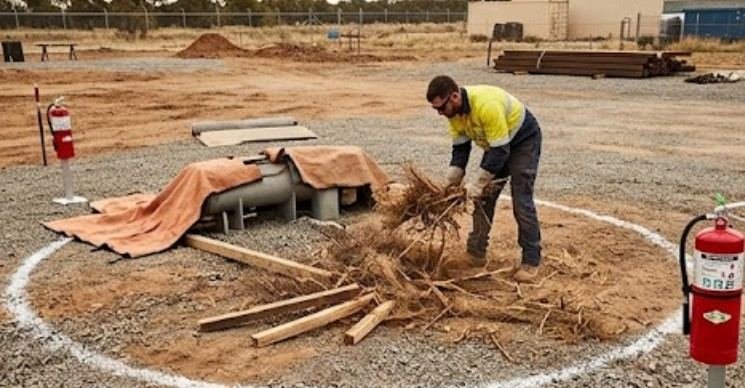
Hot work in the field accounts for thousands of job site fires each year, yet the vast majority of these incidents stem from simple, preventable oversights. Performing high-energy arc welding outdoors or on an active construction site inherently introduces unpredictable environmental variables—from shifting wind gusts to damp surfaces. Deploying a structured field welding safety checklist…
-
What Are the Limitations of Mobile Welding? Real-World Rig Constraints
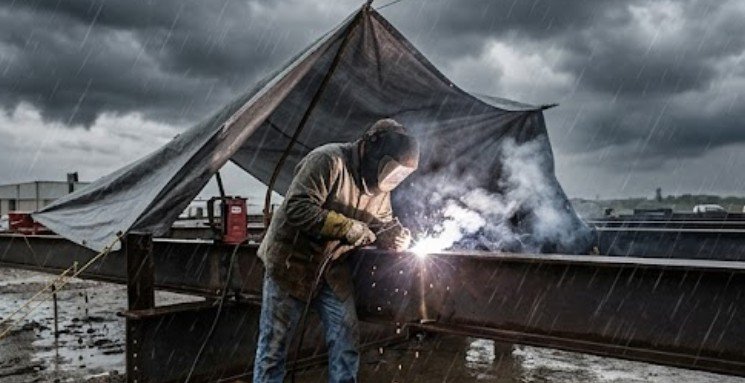
According to insurance industry data and fire safety audits, nearly 60% of field welding structural defects and project delays stem not from operator error, but from uncontrolled environmental variables and field equipment constraints. Mobile welding delivers essential fabrication, repair, and emergency structural work directly to job sites across the United States. However, taking a rig…
-
Can Rusted Metal Be Welded? The Hidden Risks and Hard Reality
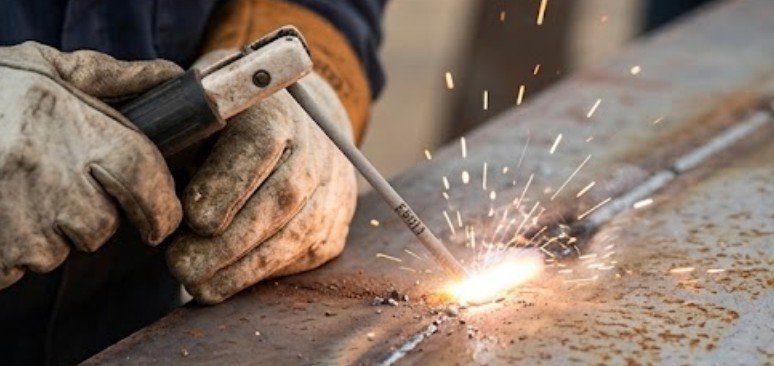
Trying to weld through rust is one of the fastest ways to destroy a joint’s structural integrity, yet farm equipment, exhaust pipes, and emergency trail repairs are stuck together over corrosion every day. The short answer to whether can rusted metal be welded is technically yes, but doing so compromises weld strength, creates severe safety…
-
Welding Galvanized Steel Safety: How to Avoid Toxic Fumes and Injuries
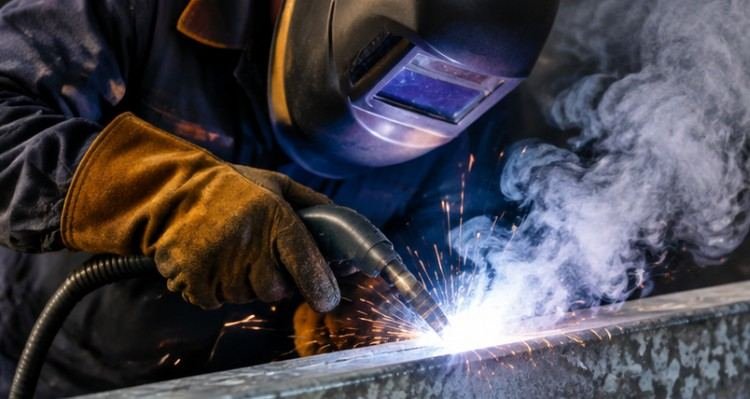
The biggest danger in welding galvanized steel is not the sparks, heat, or molten metal—it is the invisible hazard rising from the surface. When the welding arc heats the zinc coating, it creates zinc oxide fumes that can enter your lungs within seconds. Proper welding galvanized steel safety practices are essential because even a short…
-
Hot Work Permit for Welding: What It Is, When You Need One, and How to Stay Safe
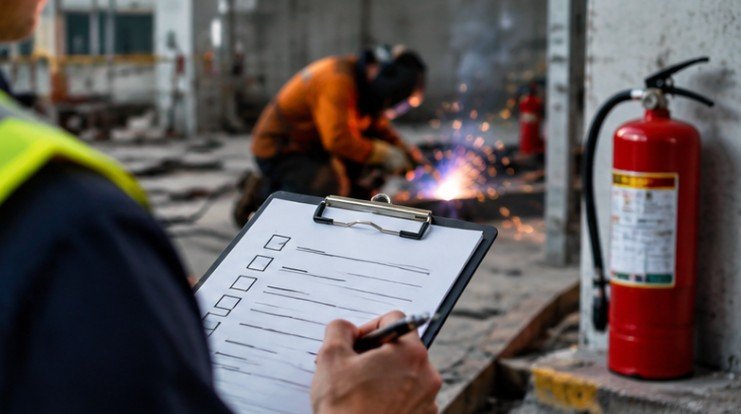
A welding spark can travel farther than most people expect, and a tiny ember hidden behind a wall or under flooring can ignite hours after the welder has packed up. That is why many workplaces require a hot work permit for welding before allowing any spark-producing job outside a controlled welding area. The permit is…
-
Structural Field Fabrication: What Materials Can Mobile Welders Weld?
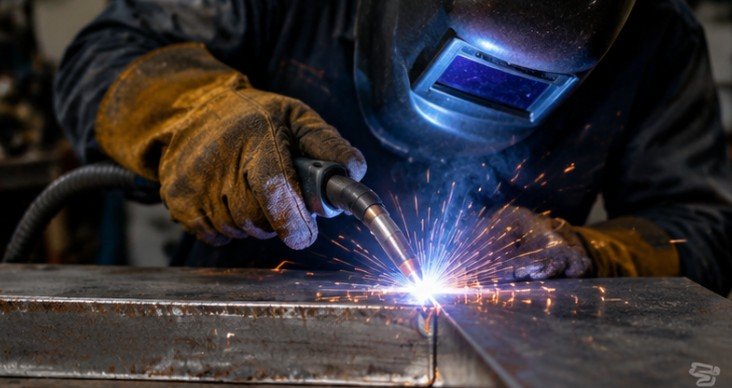
An agricultural rig breaks a structural frame beam in the middle of a remote field during harvest, threatening thousands of dollars in downtime per hour. Transporting the equipment to a stationary fabrication facility is logistically impossible. Within hours, a fully self-contained mobile welding unit arrives on-site, striking an arc outdoors to fuse heavy carbon steel…