Latest posts
-
Interpass Temperature Control Welding Thick Steel: What I Learned on 40mm Plate
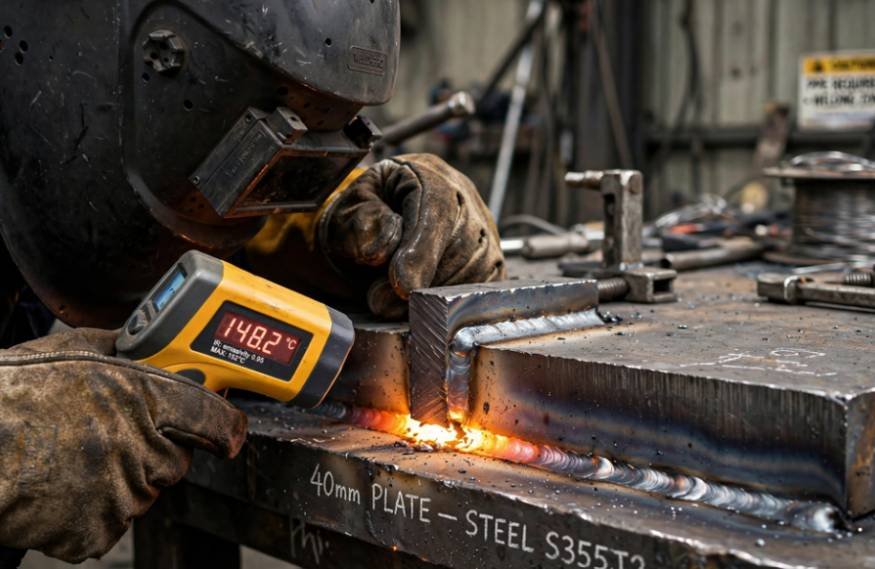
I ruined a 40mm test coupon early in my career because I ignored interpass temperature control welding thick steel. The root passed inspection. The cap cracked overnight. Thick steel acts as a massive heat sink, and if you let it get too cold or too hot between passes, you lose toughness, strength, and the whole…
-
Skip Welding Technique for Long Seams: Control Heat and Warping
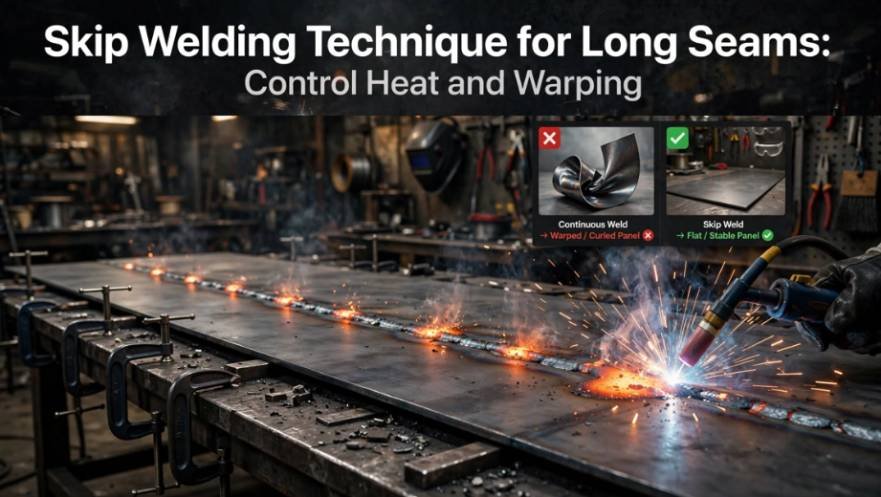
Few things are more frustrating in metal fabrication than watching an eight-foot sheet panel curl off the table like a potato chip. When running a continuous pass down a joint, heat accumulates rapidly, expanding the parent metal while the trailing cooling bead contracts under severe tension. Over the years, I have saved countless thin panels…
-
Corner Joint Outside Edge Fill Welding Technique: Pro Shop Guide
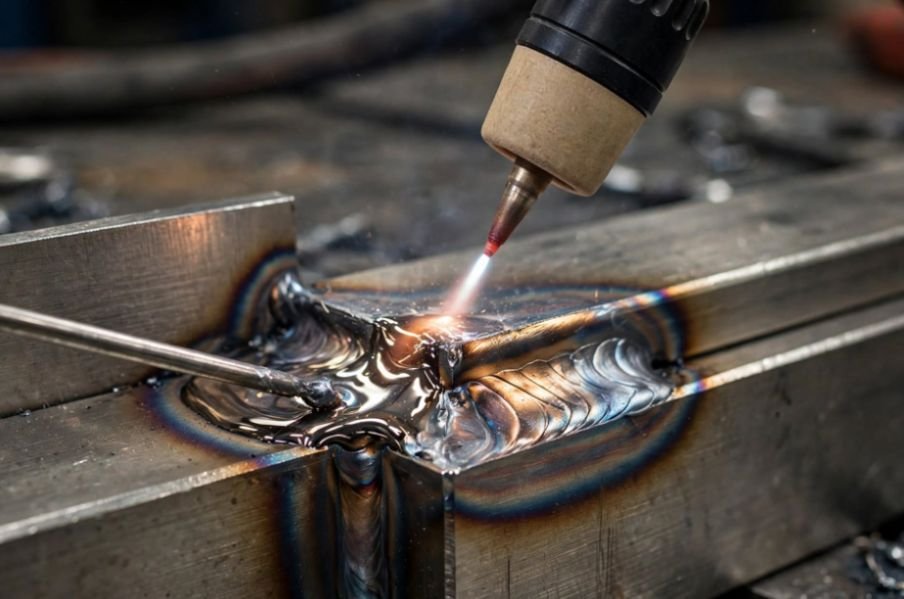
Melted apex corners, uneven edges, and sagging root passes ruin what should be a clean 90-degree fabrication. The corner joint outside edge fill welding technique solves this issue by locking exterior plate edges together without blowing away thin boundaries. I have built hundreds of custom enclosures and structural frames, and getting this specific seam flat,…
-
Butt Joint Bevel Root Gap Feathering Technique: My Shop-Tested Guide to Flawless Open Roots
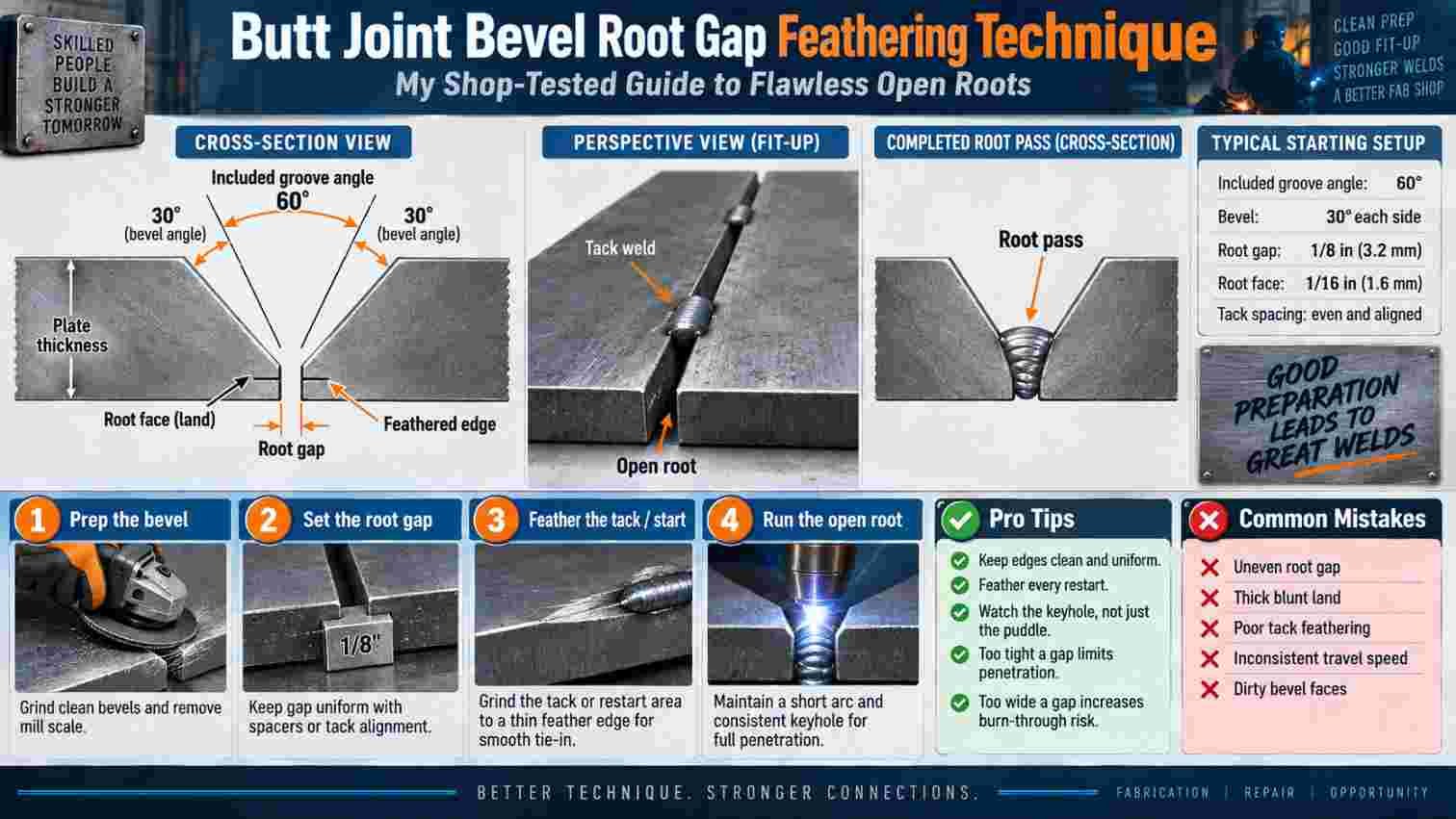
I learned butt joint bevel root gap feathering technique the hard way — after failing a 6G pipe test. The inspector showed me a line of lack-of-fusion right where my tack weld sat. Since then I have run over 200 open roots on plate and pipe, and feathering is non-negotiable for me. If you want…
-
Pulse MIG Puddle Manipulation Technique: Why Less Movement Makes Better Welds

I ruined my first pulse MIG beads because I treated it like short-circuit MIG. I whipped, I weaved, I tried to stack dimes. The result was porous, uneven, and spattered. The pulse mig puddle manipulation technique is structurally different, and once I learned to do less, my welds got twice as good. Unlike short-circuit transfer,…
-
How to Control Heat Input on Thin Sheet Metal MIG Welding

I blew my first 22-gauge patch panel clean through. That taught me more about how to control heat input on thin sheet metal MIG welding than any manual. Thin steel cannot dump heat. It stores it. If you don’t manage it, it warps. Here is exactly how I keep heat down and still get fusion.…
-
How To Weld Open Root Pass With Tig Lay Wire Technique
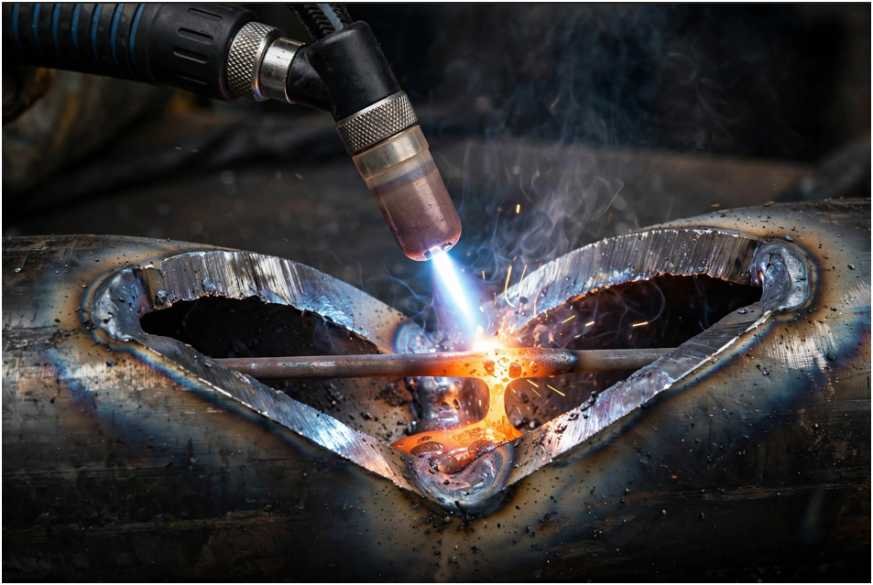
I learned how to weld open root pass with TIG lay wire technique on a 6-inch schedule 80 test coupon that kept failing me. I was dipping, dabbing, losing the backside. My instructor took my filler, laid it flat in the gap, told me to turn the heat up and push. One pass later I…
-
Fillet Weld Multi Pass Stacking Technique Explained

A large fillet should look deliberately built, not like filler metal piled into a corner. The fillet weld multi pass stacking technique creates that controlled profile by arranging smaller overlapping stringer beads in layers. Each pass supports the next while maintaining access to both joint faces. The familiar 1-2-3 pyramid sequence provides a useful visual…
-
Aluminum TIG Welding Filler Rod Dab and Pause Method
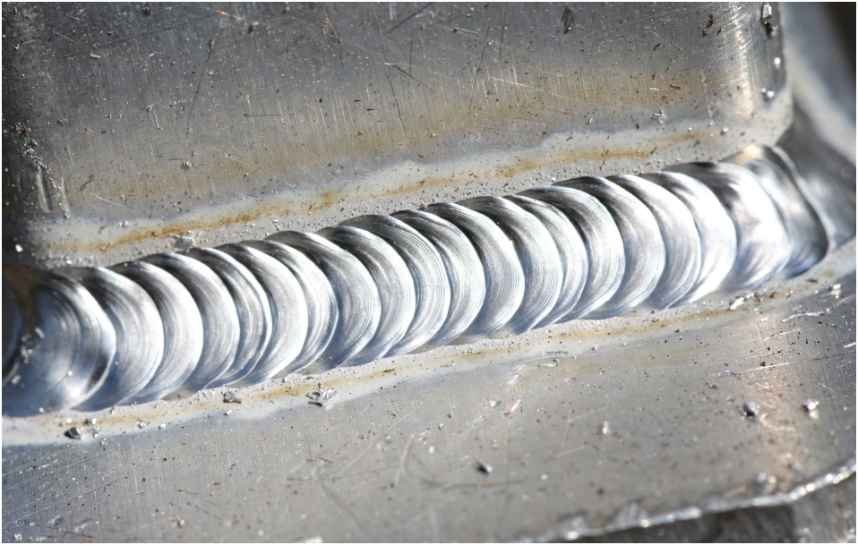
I burned through my first aluminum coupon in under three seconds. The puddle looked fine, then it just fell out. That is exactly why I had to learn the aluminum tig welding filler rod dab and pause method. It is not a stylistic trick. It is heat control. Aluminum moves heat three times faster than…
-
How To Keep Consistent Travel Angle Stick Welding
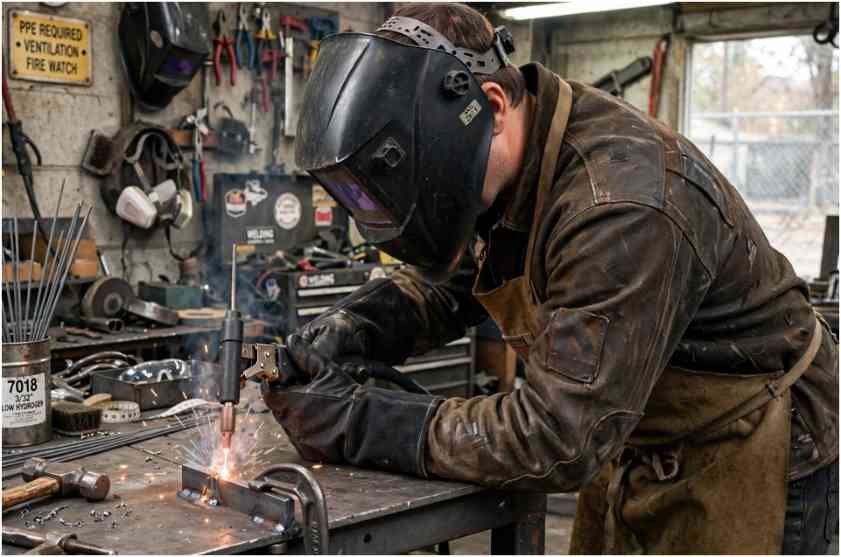
I burned through a whole box of 7018 before I realized my travel angle was the problem, not my amps. My beads looked fine for the first inch, then crowned up, trapped slag, and lost penetration. If that sounds familiar, your hand position is drifting as the rod shortens. Learning how to keep consistent travel…