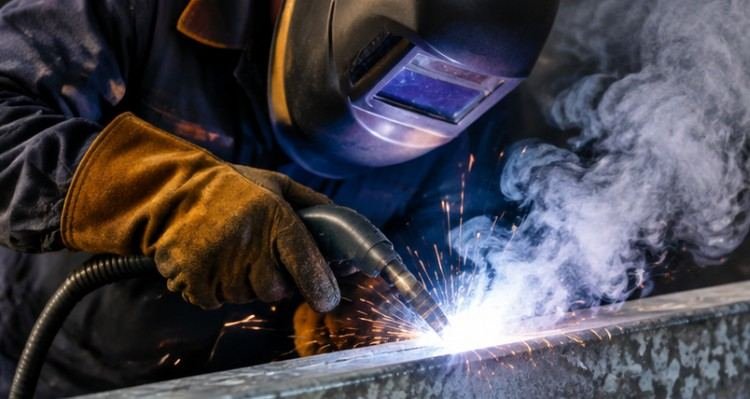
The biggest danger in welding galvanized steel is not the sparks, heat, or molten metal—it is the invisible hazard rising from the surface. When the welding arc heats the zinc coating, it creates zinc oxide fumes that can enter your lungs within seconds. Proper welding galvanized steel safety practices are essential because even a short exposure can trigger metal fume fever, a condition that feels similar to the flu and can leave welders feeling sick for hours or days.
Galvanized steel is widely used in construction, automotive fabrication, farm equipment, HVAC systems, and outdoor structures because the zinc coating protects steel from corrosion. The same coating that makes the material durable, however, becomes a health concern when exposed to welding temperatures.
Understanding what happens during welding, how to control fumes, and when additional precautions are required can help both hobby welders and professionals work more safely.
Why Welding Galvanized Steel Creates a Health Risk
Galvanized steel is regular steel covered with a thin layer of zinc. During welding, the arc temperature is far higher than the melting point of zinc, causing the coating to vaporize. As the zinc vapor cools, it forms microscopic zinc oxide particles that become part of the welding smoke.
These particles are small enough to travel deep into the respiratory system. The visible white or gray smoke coming from galvanized material is a warning sign that zinc fumes are being produced.
The Occupational Safety and Health Administration (OSHA) identifies zinc oxide fumes from galvanized steel as a common cause of metal fume fever among welders.
The risk depends on several factors:
- Amount of zinc coating on the steel
- Welding process and heat input
- Duration of exposure
- Ventilation quality
- Distance between the welder’s face and the fumes
A quick repair job outside is very different from spending an entire shift welding galvanized structural components indoors.
What Happens When You Breathe Zinc Welding Fumes?
The most recognized illness associated with zinc oxide exposure is metal fume fever. It is sometimes called “zinc shakes” because some workers experience chills and trembling after exposure.
Symptoms usually do not appear immediately. A welder may feel fine during the job and begin experiencing symptoms several hours later.
Common symptoms include:
| Exposure Effect | What a Welder May Experience |
| Mild exposure | Metallic taste, throat irritation, coughing |
| Moderate exposure | Fever, chills, fatigue, headache, nausea |
| Higher exposure | Muscle aches, breathing discomfort, severe weakness |
According to NIOSH, welding fumes can cause symptoms such as fever, chills, cough, breathing difficulty, and muscle pain depending on the substances present in the fumes.
The important point is that metal fume fever is not something to ignore. Feeling sick after welding galvanized parts means your exposure controls were not effective enough.
Can Welding Galvanized Steel Cause Permanent Damage?
Many cases of metal fume fever improve after removing yourself from exposure, but repeated exposure is a warning sign. Regularly breathing welding fumes without proper controls can contribute to long-term respiratory problems.
The risk increases for workers who:
- Weld galvanized materials every day
- Work inside enclosed spaces
- Ignore ventilation requirements
- Depend only on a welding helmet for protection
A welding helmet protects your eyes and face from arc radiation and sparks, but it does not filter the air you breathe. Respiratory protection requires a properly selected respirator or an effective fume extraction system.
OSHA recommends controlling welding fumes through engineering controls such as ventilation and using respiratory protection when necessary.
The Safest Way to Weld Galvanized Steel
The safest approach is to remove the zinc coating from the weld area before striking an arc. This reduces the amount of zinc available to become airborne.
1. Remove the Galvanized Coating
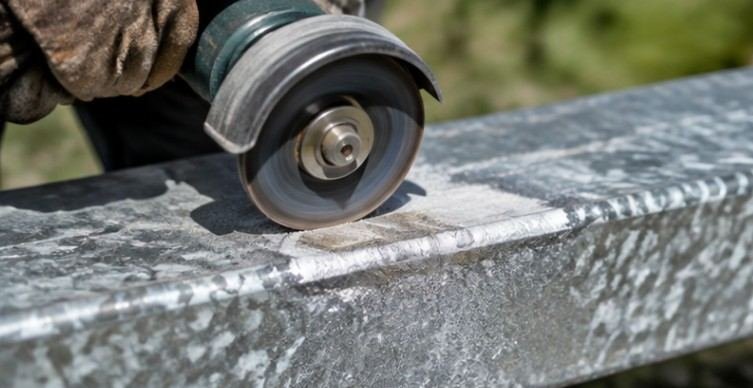
Use an angle grinder with an abrasive wheel to remove the zinc coating several inches around the weld joint. Continue grinding until the surface appears like clean steel.
Do not simply wipe the surface or lightly scratch it. A thin remaining zinc layer can still generate fumes when heated.
After grinding:
- Clean away grinding dust
- Inspect the weld area
- Avoid contaminating the joint with oils or debris
This step also improves weld quality because zinc contamination can create porosity and defects inside the weld.
2. Improve Ventilation Before Welding
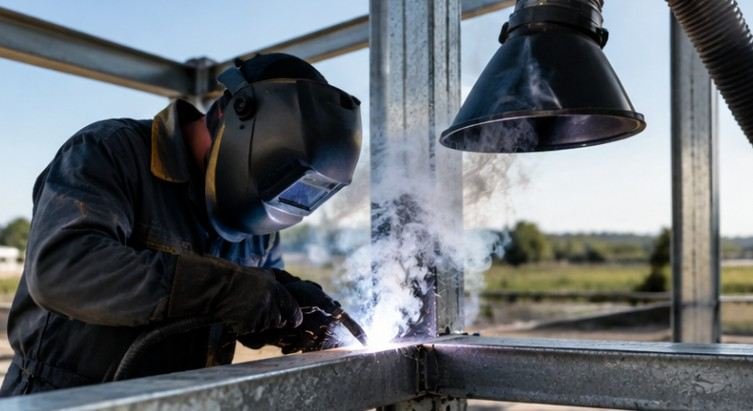
Outdoor welding does not automatically mean you are safe. Wind direction can push fumes directly into your breathing zone.
A safer setup includes:
- Positioning yourself upwind
- Using local exhaust ventilation indoors
- Keeping your head away from rising smoke
- Avoiding enclosed areas without forced air movement
For professional environments, OSHA recommends controlling hazardous welding fumes through appropriate ventilation systems.
3. Use Proper Respiratory Protection
A basic dust mask is not designed for welding fumes. Respirators must be rated for the specific airborne hazards involved.
For repeated galvanized welding work, employers should follow a respiratory protection program that includes proper selection, fit testing, and training.
NIOSH provides guidance on respirator approvals and workplace exposure protection through its respiratory safety resources.
MIG, TIG, and Stick Welding: Which Produces More Risk?
The welding process affects heat input and fume generation.
| Welding Process | Galvanized Steel Consideration |
| MIG welding | Common for fabrication but can create significant zinc fumes because of continuous heat input |
| TIG welding | Precise control, but zinc fumes are still produced if coating remains |
| Stick welding | Often used outdoors, but coating removal and ventilation are still required |
No welding method makes galvanized steel completely safe without controlling the zinc coating and fumes.
Common Misconceptions About Galvanized Welding
One common myth is that welding outside eliminates the danger. Like when welding a cracked trailer frame. Outdoor air helps, but wind can create unpredictable fume patterns.
Another misconception is that galvanized steel cannot be welded at all. It can be welded successfully, but preparation and ventilation are critical.
Some welders also believe a short exposure is harmless. The problem is that zinc fumes can produce delayed symptoms, so feeling fine during welding does not always mean exposure was safe.
When Should You Avoid Welding Galvanized Steel?
Avoid welding galvanized material when:
- The coating cannot be removed
- The workspace has poor ventilation
- You are inside a confined area
- You do not have appropriate respiratory protection
- You are experiencing symptoms from previous exposure
For large commercial projects, replacing galvanized parts with uncoated steel before welding may be a safer and more efficient option.
Welders working on fabrication projects can also improve overall preparation skills by learning proper techniques such as vertical down stick welding 6010 root pass to achieve better control during structural welding applications.
Frequently Asked Questions
1. Is welding galvanized steel dangerous?
Yes. Heating galvanized steel releases zinc oxide fumes that can cause metal fume fever and respiratory irritation if inhaled.
2. Do I need a respirator when welding galvanized steel?
If ventilation cannot control fumes, respiratory protection may be required. A welding helmet alone does not protect your lungs.
3. Can grinding off zinc make galvanized welding safe?
Removing zinc reduces fumes but does not eliminate all welding hazards. Proper ventilation and protective equipment are still necessary.
4. What are the first signs of zinc fume exposure?
Early symptoms include metallic taste, coughing, chills, fever, headache, nausea, and muscle aches.
Final Thoughts
The surprising part about galvanized steel welding is that the protective coating designed to prevent rust becomes the main hazard once intense heat is applied. The zinc layer is valuable during normal use, but it demands respect during fabrication.
Safe welding is not about avoiding galvanized steel completely. It is about controlling the risk: remove the coating, control the fumes, use proper protection, and never ignore symptoms after exposure. A few minutes spent preparing the workspace can protect your health for decades of welding work.