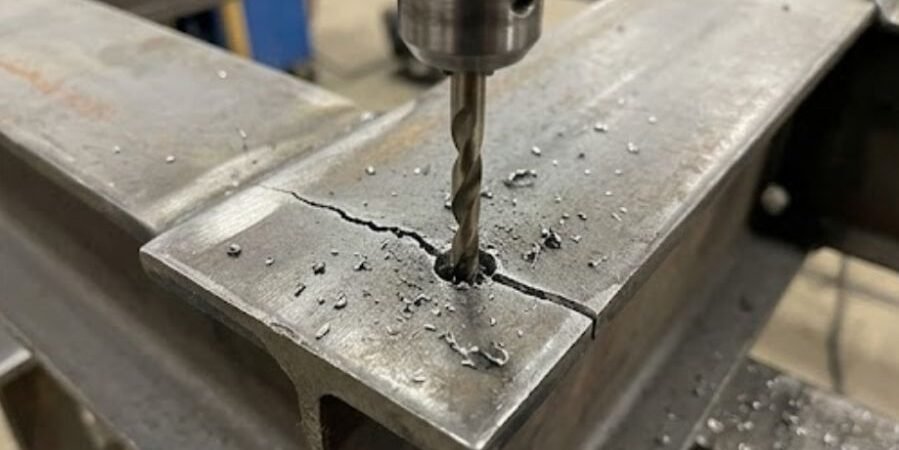
A hairline fracture in a steel trailer frame can go from a minor annoyance to a catastrophic highway failure in a matter of miles. A loaded trailer bouncing down an interstate places thousands of pounds of dynamic force on its chassis, turning a tiny crack into a major structural break.
So, can you weld a cracked trailer frame? Yes, you can safely weld a cracked trailer frame, provided the base steel retains its integrity, proper structural reinforcement is applied, and the metal is correctly prepped to support dynamic loads.
Repairing a heavy-duty chassis isn’t as simple as squeezing a trigger and laying down a quick bead over the damage. Doing so often hardens the surrounding metal, creating a brittle zone right next to the repair that will snap again under strain. Understanding the metallurgy behind frame repairs keeps your cargo—and everyone sharing the road with you—completely safe.
Why Trailer Frames Crack Under Pressure
Over time, these combined stresses cause structural fatigue, typically near high-stress areas like spring hangers, crossmembers, and tongue joints. Understanding what causes a weld to crack after welding can also help identify whether the failure stems from poor preparation, improper technique, or excessive stress.
When a trailer hits a bump, the force travels through the suspension and directly into the side rails. If the load exceeds the manufacturer’s rating or if cargo is unevenly distributed, localized stress points bear the brunt of the impact.
Environmental exposure accelerates this deterioration. Rust degrades frame thickness from the inside out, weakening structural capacity long before visible holes appear.
According to guidelines from the Federal Motor Carrier Safety Administration (FMCSA), driving with compromised structural frame members is a critical safety violation that automatically places a commercial vehicle out of service.
Structural Welding Rules: How to Repair a Frame Correctly
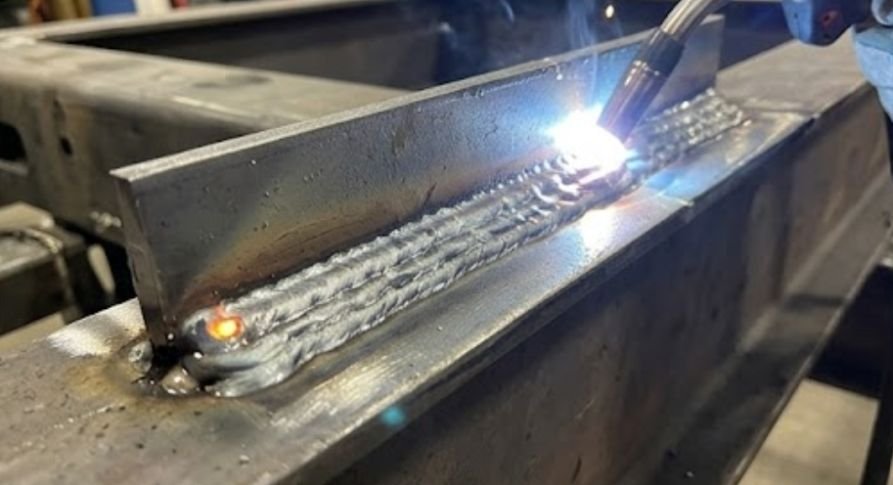
Successfully repairing a box, channel, or I-beam frame rail requires a deliberate, step-by-step approach. Skimping on preparation almost guarantees a second failure.
1. Stop-Drill the Fracture Ends
Before touching a grinder or torch to the metal, locate the exact termination points of the crack. Drill a small hole—typically 1/8 to 1/4 inch in diameter—directly through the metal at both ends of the fracture. This relieves localized tension and prevents the crack from propagating further down the rail during or after welding.
2. Cut a Deep V-Groove
Welding directly over a surface crack only fuses the top layer of metal, leaving an unbonded gap inside the beam. Use an angle grinder to cut a deep “V” along the entire length of the fracture, opening it to roughly a 60-degree included angle. This allows the filler metal to penetrate deep into the core of the steel, restoring full structural integrity.
3. Clean to Bare, Shiny Metal
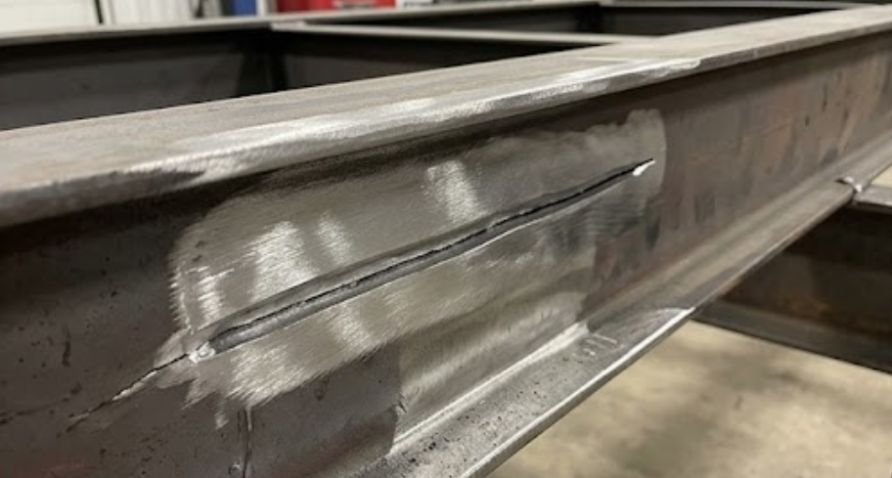
Porous, weak welds happen when contaminants get trapped in the molten puddle. Grind away all paint, mill scale, rust, grease, and galvanized coatings within three inches of the repair area.
If you are working with galvanized steel, exercise caution; breathing zinc fumes causes metal fume fever. The Occupational Safety and Health Administration (OSHA) outlines specific ventilation standards for welding coated metals to prevent toxicity.
4. Fill the Joint with Low-Hydrogen Electrodes
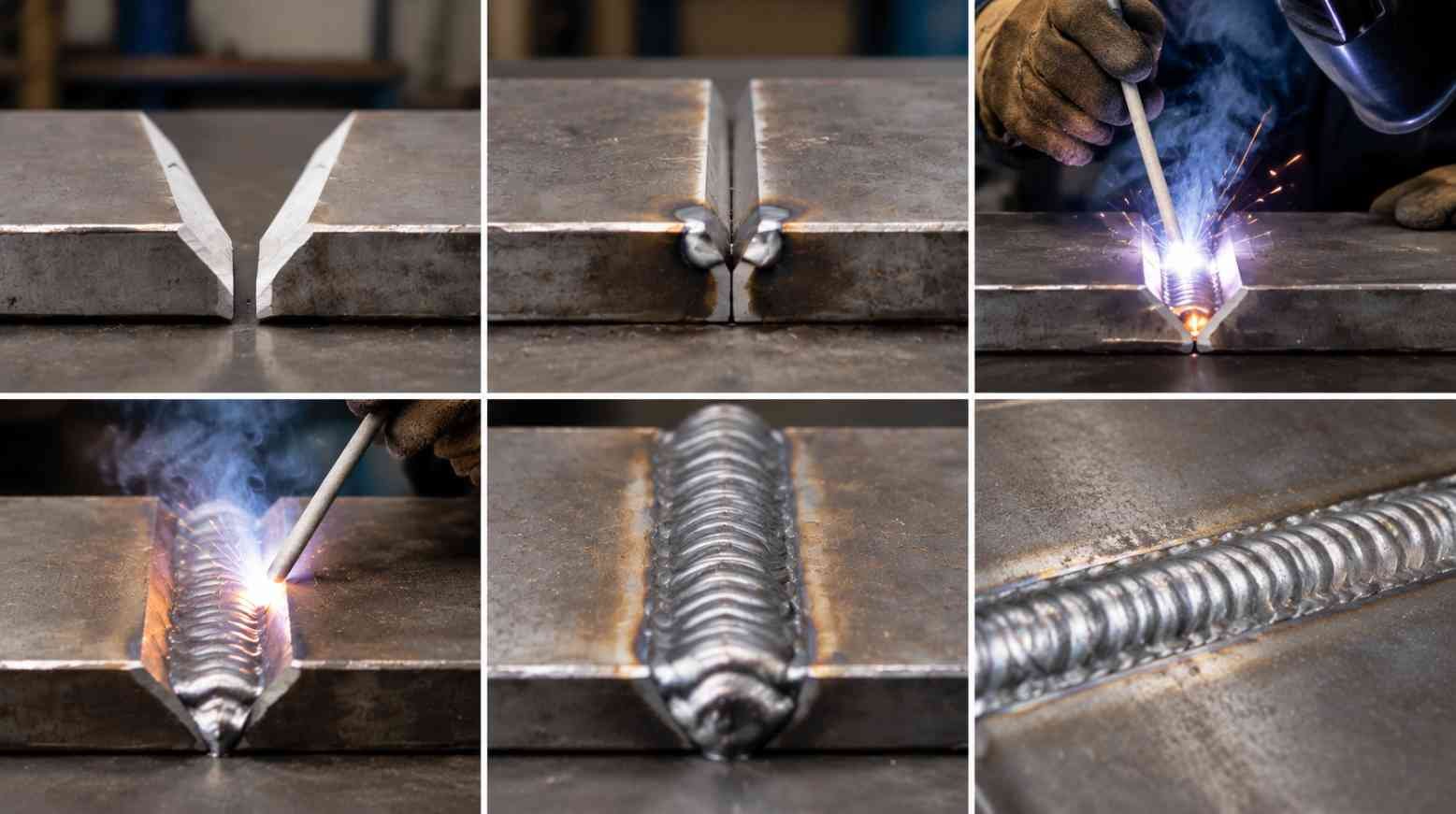
Weld the prepped V-groove using high-yield filler materials. For Shielded Metal Arc Welding (stick), E7018 electrodes are the industry standard due to their low-hydrogen properties and exceptional ductility under impact loads. If using Gas Metal Arc Welding (MIG), ensure proper voltage settings and gas shielding (such as 75/25 Argon/CO2 mix) to achieve deep penetration without cold lap.
5. Reinforce with a Properly Shaped Fishplate
Never rely solely on a butt weld to hold a structural trailer rail together. You must install a steel reinforcement plate, known in the fabrication industry as a fishplate.
- Shape Matters: Cut the fishplate into a diamond or parallelogram shape with tapered ends. Rectangular plates with vertical ends create sharp stress points across the rail.
- Welding Pattern: Stitch weld the top and bottom horizontal edges along the length of the frame rail. Never weld vertically across the ends of the plate. A vertical weld creates a rigid transverse line that concentrates flexing forces, causing the frame rail to snap right behind the plate.
Choosing the Right Repair Strategy
Different types of frame damage require specific repair approaches. Use this quick reference guide to evaluate your trailer’s structural needs:
| Damage Type | Recommended Fix | Primary Materials / Tools | Key Technique |
| Hairline Stress Crack | Full V-groove weld with diamond fishplate | E7018 Stick or ER70S-6 MIG wire, 1/4″ steel plate | Stop-drill ends, ground 60° V-groove, stitch weld horizontally |
| Localized Hole / Corrosion | Cut out rotted section, weld sleeve/insert | Matching gauge structural channel/tubing | Lap joint or insert sleeve, multi-pass fillet welds |
| Twisted or Bent Rail | Hydraulic frame pulling or section replacement | Hydraulic ram, heat induction, heavy clamping | Cold straightening preferred; heat carefully to avoid losing metal temper |
| Widespread Rust Thinning | Complete rail or frame replacement | Full replacement assembly | Do not weld; underlying metal lacks adequate tensile strength |
When Welding Isn’t Enough: Knowing When to Scrap the Frame
Welding isn’t a universal cure for every structural issue. Before deciding whether a frame needs major repair or replacement, it is important to tell if a weld needs repair by checking for visible defects, cracking, poor penetration, or other signs of weld failure.
Continuing to repair metal that has lost its strength creates severe liability and safety hazards.
EVALUATING FRAME VIABILITY
|
+——————–+——————–+
| |
[Local Damage] [Widespread Damage]
| |
* Isolated single crack * Deep, flaking structural rust
* Solid base metal thickness * Multiple fatigue cracks
* Frame is square and plumb * Twisted / sagged main rails
| |
v v
SAFE TO REPAIR REPLACE FRAME
Widespread Structural Rust
When rust causes metal to flake away in heavy layers (known as delamination), the frame rail loses its original cross-sectional thickness. Welding onto paper-thin, rusted steel simply burns holes through the rail without creating a real structural bond.
Multiple Fatigue Cracks
If a trailer frame displays multiple cracks across different sections of the chassis, the metal has reached the end of its fatigue life. Repairing one spot simply shifts the failure point to the next weakest area.
Severe Bending or Sagging
When an overloaded trailer sags or twists out of alignment, the metal experiences plastic deformation. Straightening an severely bent frame requires specialized hydraulic equipment. Applying heat from a welding torch to force it back into shape destroys heat treatment, leaving the steel weak.
Standard compliance requirements from the National Highway Traffic Safety Administration (NHTSA) detail structural mandates for towed vehicles, emphasizing that modified or severely weakened chassis fail national safety standards.
For detailed steps on structural frame fixes, check out our guide on addressing CRACKED welds on a Trailer Repair to keep your rig highway-ready.
Frequently Asked Questions
1. Can I weld a trailer frame with a standard 110V MIG welder?
No. Standard 110V household welders lack the penetration depth needed for structural steel, which is usually 3/16-inch or thicker. Use a 220V MIG welder or a commercial stick welder capable of burning 1/8-inch E7018 rods.
2. Should I weld across the vertical ends of a frame reinforcement plate?
Never weld vertically across the ends of a reinforcement plate. A vertical seam concentrates bending stresses into a single line, causing the original frame rail to crack directly alongside the weld.
3. How much does it cost to have a professional weld a trailer frame?
Professional mobile or shop welders typically charge between $100 and $200 per hour. A standard crack repair with a fishplate reinforcement generally takes two to four hours, costing between $250 and $600 depending on prep time and accessibility.
4. Is it legal to drive a trailer with a welded frame repair?
Yes, provided the repair restores the frame to structural standards and does not violate road safety regulations. Commercial trailers must pass strict out-of-service criteria, meaning all structural repairs must be fully sound, soundly executed, and reinforced.
Keeping Your Equipment Highway Safe
Welding a cracked trailer frame restores its load capacity when done with proper metal prep, complete weld penetration, and correctly shaped fishplates. Drill out your crack ends, grind a generous V-groove, and skip those transverse vertical welds on your reinforcement plates.
When structural rust takes over or the frame twists out of square, step away from the welder and replace the frame. Doing the job right protects your cargo, your equipment, and everyone driving behind you.