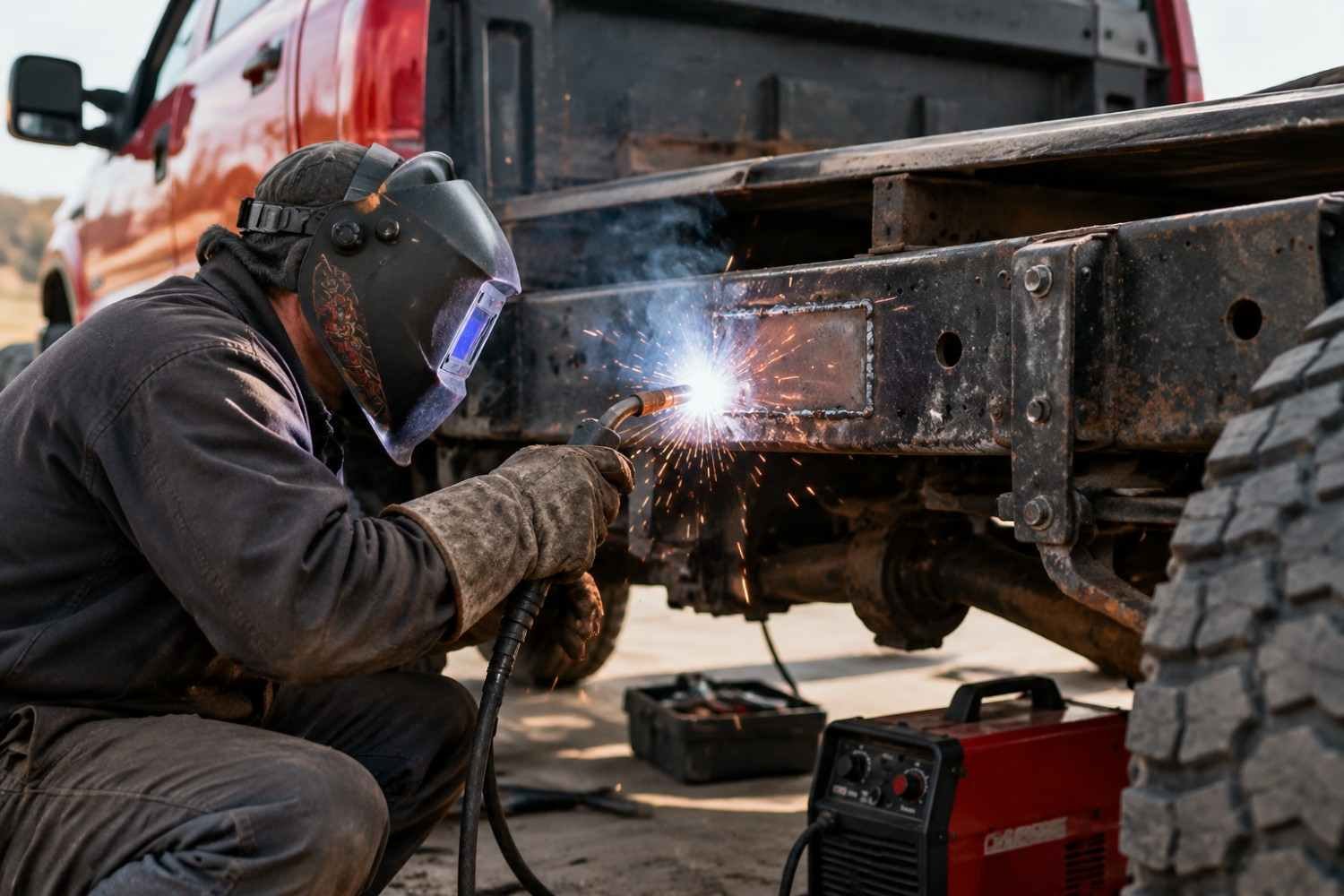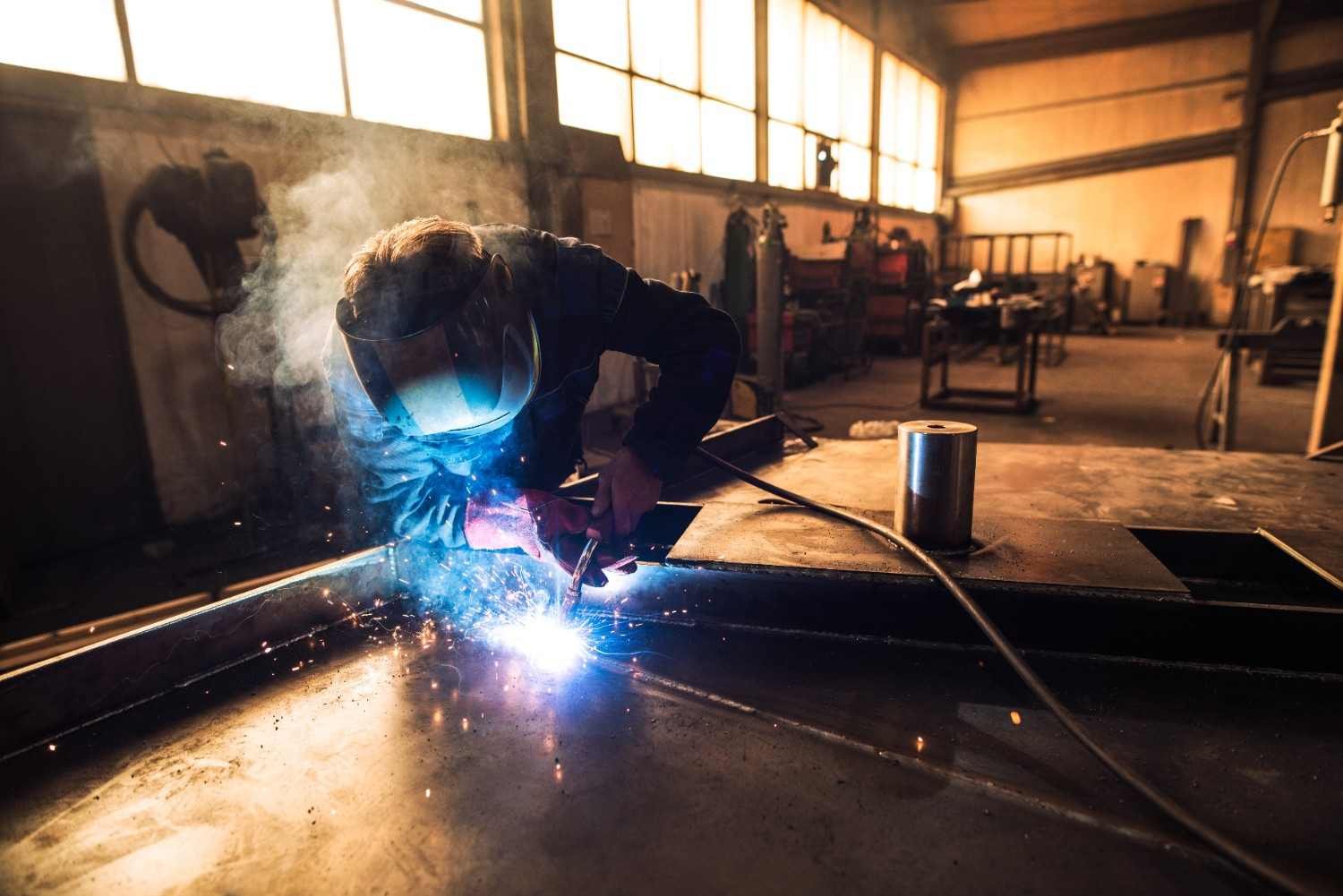
Every welder eventually reaches the same frustrating moment: the project is ready, the machine is set up, but the shielding gas gauge starts dropping faster than expected. Whether I am working on a small garage repair, building a custom bracket, or practicing TIG welds, knowing my cylinder capacity helps me avoid unexpected refill trips.
The question I hear often is: How long does a 80 CF welding tank last when used for everyday welding work?
The answer depends on several factors, including the welding process, gas type, regulator setting, and how much actual arc time I spend welding. In typical conditions, an 80 cubic foot welding cylinder provides about 3 to 5 hours of continuous welding time, but for most home welders, that can translate into multiple projects because setup, fitting, grinding, and adjustments take up much of the day.
Understanding gas consumption makes it easier to choose the right cylinder size and get the most value from every refill.
How Do You Calculate Welding Tank Runtime?
The easiest way I calculate shielding gas consumption is with a simple formula:
Welding time (hours) = Tank size (cubic feet) ÷ Gas flow rate (CFH)
For an 80 CF cylinder, the runtime changes based on the regulator setting.
| Gas Flow Rate | Approximate Runtime | Typical Application |
| 10 CFH | Around 8 hours | Light TIG work in controlled indoor conditions |
| 15 CFH | Around 5.3 hours | Standard TIG welding |
| 20 CFH | Around 4 hours | Common MIG welding and TIG setups |
| 25 CFH | Around 3.2 hours | Higher-demand welding work or drafty environments |
The actual number can vary because gas consumption is affected by torch setup, nozzle size, welding position, and environmental conditions. Most casual welders use flow rates between 15 and 25 CFH depending on their application.
How Long Does an 80 CF Tank Last for MIG Welding?
MIG welding is one of the most common uses for an 80 CF cylinder in home workshops. Many US hobby welders use a 75% argon and 25% carbon dioxide mixture, commonly called C25 gas, for welding mild steel.
At a normal MIG welding flow rate of around 20 CFH, an 80 CF C25 cylinder provides approximately 4 hours of continuous arc time.
In real garage welding situations, that may cover:
- Small automotive repairs
- Metal brackets
- Farm equipment fixes
- Custom fabrication projects
- DIY steel structures
I also avoid increasing gas flow unnecessarily. More shielding gas does not always improve weld quality. Excessive flow can create turbulence around the weld puddle and waste gas without providing additional protection.
How Long Does an 80 CF Argon Tank Last for TIG Welding?
TIG welding commonly uses pure argon because it provides excellent arc stability and protects the tungsten electrode and weld pool.
For most TIG welding applications, flow rates usually fall between 15 and 20 CFH. At these settings, an 80 CF argon tank can provide roughly 4 to 5 hours of continuous welding.
However, TIG welding has a few hidden gas-consuming factors. Unlike MIG welding, TIG often uses pre-flow and post-flow settings. Pre-flow protects the weld area before the arc starts, while post-flow keeps the hot tungsten and weld crater protected after welding stops.
If I make many short tack welds, the extra seconds of gas before and after every weld can significantly reduce cylinder life. A long continuous weld uses gas more efficiently than dozens of short starts and stops.
What Factors Make an 80 CF Welding Tank Empty Faster?
The calculated runtime is only an estimate. Several factors can reduce the lifespan of a welding gas cylinder.
High Gas Flow Settings
Running a regulator at 30 CFH instead of 20 CFH can reduce tank life quickly. I always adjust the flow rate based on the welding process, nozzle size, and working environment rather than using a higher setting by default.
Outdoor Welding Conditions
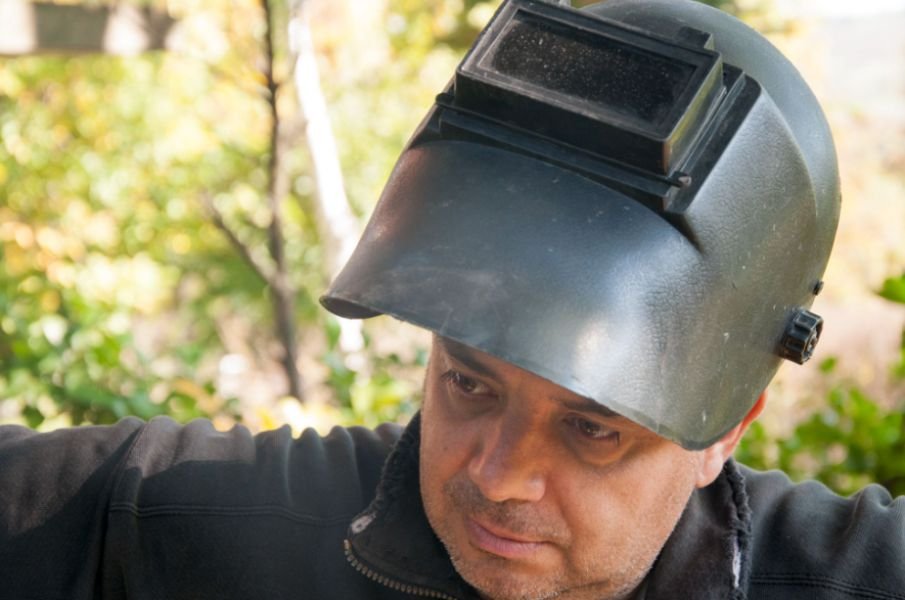
Welding outside can consume more shielding gas because wind can disturb the protective gas coverage around the arc. Even a light breeze can force welders to increase flow rates or create temporary wind barriers.
Outdoor welding also requires attention to the surrounding work environment and fire hazards. When welding is performed in a location with combustible materials or other potential hazards, a hot work permit for welding may be required before work begins.
Gas Leaks
A small leak can waste an entire cylinder even when the welder is not being used. Loose regulator fittings, damaged hoses, worn O-rings, or cylinder valve problems can allow gas to escape overnight.
One simple habit I follow is closing the cylinder valve after finishing a welding session. This prevents unexpected gas loss when the equipment sits unused.
Frequent Short Welds
Short fabrication jobs with many starts and stops often consume more gas than a long continuous weld. This is especially noticeable during TIG welding because of repeated pre-flow and post-flow cycles.
Does Gas Type Change How Long a Welding Tank Lasts?
Yes, the type of shielding gas affects consumption and storage.
Argon and C25 mixtures are stored as compressed gases, so their usage follows the normal cubic-foot calculation. Pure CO₂ behaves differently because it is stored mostly as a liquid inside the cylinder and expands into gas as it leaves the tank.
For MIG welding, many home users choose C25 because it provides a good balance between arc stability, penetration, and weld appearance. Pure CO₂ can offer deeper penetration and lower cost in some applications, but the welding characteristics are different.
Choosing the correct gas depends on the material being welded, welding process, and the quality of welds you want to achieve.
Is an 80 CF Welding Tank Enough for Home Use?
For most US garage welders, an 80 CF cylinder is a practical option. It is large enough for occasional MIG or TIG projects while still being manageable to transport.
I usually consider an 80 CF tank ideal for:
- Weekend hobby welding
- Home repairs
- Learning welding techniques
- Small fabrication work
For someone welding every day or running a small fabrication business, a 125 CF or larger cylinder may be more convenient because it reduces refill trips.
The right cylinder size depends on how often you weld. A larger tank is not always better if portability matters.
How Can I Make My Welding Gas Tank Last Longer?
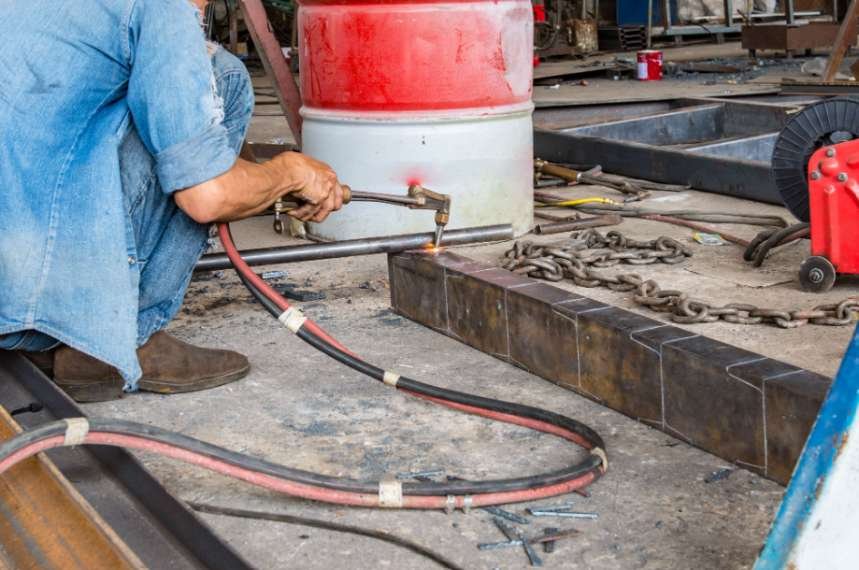
The easiest way to extend cylinder life is to improve gas efficiency.
I keep my regulator set only as high as necessary, protect outdoor welding areas from wind, inspect connections regularly, and avoid unnecessary gas flow when setting up equipment.
Maintaining the correct torch distance, using the right nozzle size, and preventing leaks can make a noticeable difference in how long a cylinder lasts.
Gas efficiency is only one part of maintaining a safe welding setup. Proper ventilation and appropriate respiratory protection for welding fumes are also important when welding, particularly during longer sessions or when working in areas where fumes can accumulate.
Frequently Asked Questions
1. How many hours can you weld with an 80 CF tank?
An 80 CF welding tank usually provides about 3 to 5 hours of continuous arc time. At 20 CFH, the expected runtime is approximately 4 hours.
2. How long does an 80 CF argon tank last?
An 80 CF argon tank typically lasts around 4 to 5 hours when used for TIG welding at common flow rates between 15 and 20 CFH.
3. Is an 80 CF tank enough for MIG welding?
Yes, an 80 CF tank is usually enough for home MIG welding. It provides a good balance between gas capacity, cost, and portability.
4. Should I buy an 80 CF or 125 CF welding cylinder?
An 80 CF cylinder works well for occasional welders, while a 125 CF cylinder is better for frequent welding because it requires fewer refills.
Final Thoughts
An 80 CF welding cylinder is one of the most practical choices for a home welding setup. The actual runtime depends on gas flow rate, welding method, and working conditions, but most welders can expect around four hours of continuous arc time at a standard setting.
For occasional garage projects, that can translate into weeks or months of use. By controlling flow rates, preventing leaks, and using the correct shielding gas, I can get the maximum value from every cylinder refill.