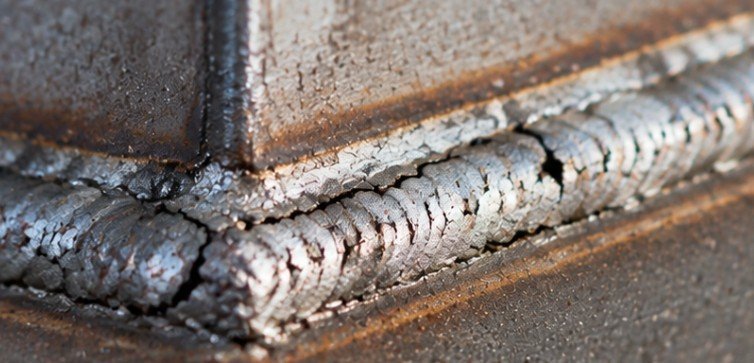
A weld can look solid on the outside and still contain a weakness that causes failure later. A tiny crack, incomplete fusion, or hidden void can turn a repair job into a safety hazard if it supports a vehicle part, structural frame, pressure component, or heavy equipment.
Learning how to tell if a weld needs repair starts with understanding that a good weld is more than a smooth bead. The joint must have proper fusion, sufficient penetration, correct size, and the ability to handle the loads it was designed for. Professional inspectors often begin with visual examination before using advanced testing methods because many problems can be identified before they become serious.
Whether you are inspecting a shop fabrication, trailer frame, farm equipment, or a home welding project, knowing the warning signs can help you decide whether a weld is acceptable, needs monitoring, or should be removed and replaced.
Start With a Visual Inspection Before Testing Anything Else
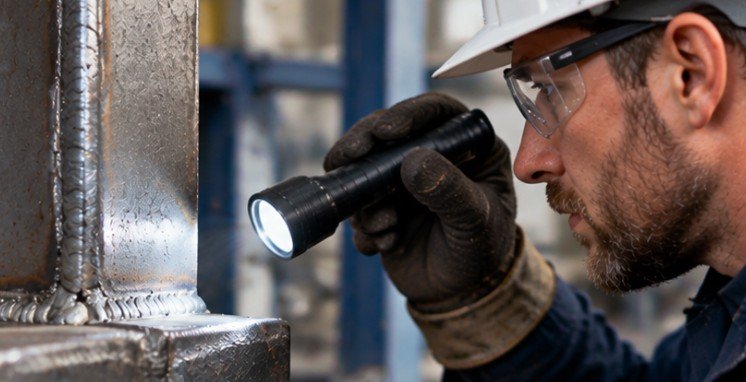
The first inspection does not require expensive equipment. A bright light, clean surface, and careful observation can reveal many weld problems.
Before judging the weld bead itself, clean away paint, grease, rust, slag, and dirt. Contaminants can hide defects or make a normal weld appear worse than it is.
Look at the entire weld area, not just the center of the bead. Many failures begin at the transition between the weld metal and the base material.
A healthy weld usually follows welding safety checklist for job sites and has:
- Consistent bead width
- Smooth transition into the parent metal
- Proper reinforcement without excessive buildup
- No visible cracks or separation
- Full coverage of the intended joint area
However, appearance alone does not guarantee strength. Some internal problems cannot be seen without specialized inspection.
Warning Signs That a Weld May Need Repair
Visible Cracks Are the Most Serious Red Flag
A crack is one of the clearest signs that a weld requires attention. Unlike minor surface imperfections, cracks can continue growing when the joint experiences vibration, impact, or repeated loading.
Cracks may appear:
- Along the center of the weld bead
- At the beginning or end of a weld pass
- Where the weld meets the base metal
- Around areas affected by excessive heat
A small crack should not simply be covered with another weld pass. The damaged area usually needs to be removed until sound metal is reached before rewelding.
Porosity Indicates Gas Was Trapped During Welding
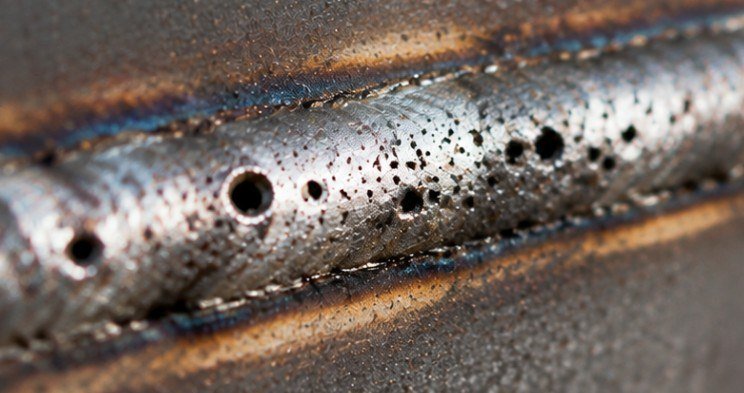
Small holes or pinholes in the weld surface are called porosity. They form when gases become trapped inside molten weld metal during cooling.
Common causes include:
- Moisture on the material or electrode
- Poor shielding gas coverage
- Contaminated base metal
- Incorrect welding technique
A few minor imperfections may be acceptable depending on the application and welding standard, but excessive porosity can reduce the effective strength of the joint.
Undercutting Creates a Weak Point Beside the Weld
Undercut occurs when the base metal melts away along the weld edge, leaving a groove that reduces material thickness.
This defect often comes from:
- Excessive welding current
- Incorrect travel speed
- Poor electrode angle
- Excessive arc length
The danger is that the weld may appear large while the surrounding metal has actually been weakened.
Lack of Fusion Means the Metals Did Not Properly Join
Mobile welding safety procedures are not strong simply because filler metal was deposited. The weld metal must fuse with the base material and previous passes.
Signs of poor fusion include:
- Visible gaps along the weld edge
- A bead sitting on top of the material instead of blending into it
- Cold-looking areas with poor penetration
For structural welding, incomplete fusion can create a failure point even if the outside appearance seems acceptable.
Physical Signs That a Weld Is Already Failing
Some weld problems become obvious only after the part has been placed into service.
| Inspection finding | What it may indicate | Recommended action |
| Cracks appearing after use | Fatigue, stress, or poor weld quality | Remove damaged weld and inspect base metal |
| Joint movement or looseness | Loss of weld strength | Stop using the part until repaired |
| Distortion or misalignment | Excessive heat or structural stress | Check dimensions and repair if necessary |
| Repeated cracking in the same area | Design or loading problem | Investigate the cause before rewelding |
A welded connection that begins moving, separating, or changing shape under normal conditions should not be ignored. The weld may only be showing the visible symptom of a deeper problem.
A Simple Process to Decide If a Weld Needs Repair
A practical inspection process looks like this:
Step 1: Check the Surface
Inspect the weld under good lighting. Look for cracks, holes, undercut, overlap, missing sections, and uneven areas.
Step 2: Compare the Weld With the Job Requirement
A decorative weld on a small project has different expectations than a structural weld on equipment or a load-bearing frame.
For example, a minor surface issue on a noncritical bracket may require a different response than a questionable weld on a trailer suspension component.
Step 3: Test for Movement
If possible, check whether the connected parts remain rigid. Unexpected movement can indicate that the weld or surrounding material is failing.
Do not intentionally overload a questionable weld to test it. A failure during inspection can create an injury risk.
Step 4: Use Non-Destructive Testing When Needed
When the weld is critical or defects are suspected below the surface, professional inspection methods can provide more information.
Common non-destructive testing (NDT) methods include:
- Magnetic particle testing: Finds surface and near-surface cracks in suitable metals.
- Liquid penetrant testing: Reveals small surface-breaking defects.
- Ultrasonic testing: Uses sound waves to detect internal flaws.
- Radiographic testing: Uses X-rays or gamma rays to show internal weld conditions.
These methods allow inspectors to examine weld quality without cutting apart the component.
Common Weld Problems and How They Usually Happen
Many repair situations are caused by preventable welding mistakes.
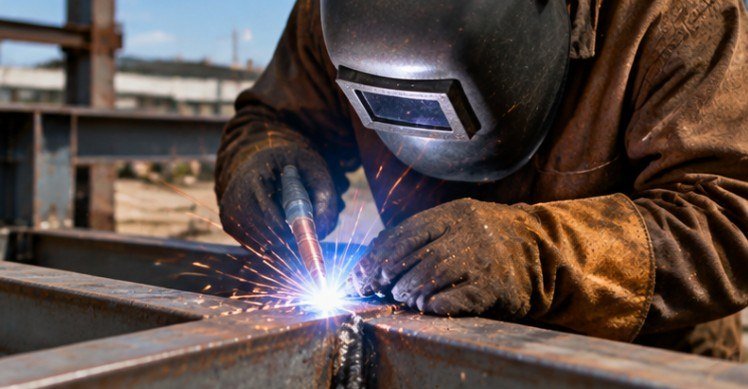
Incorrect settings can create excessive heat, shallow penetration, or poor bead shape. Dirty materials can introduce contamination. Incorrect filler selection can create a mismatch between the weld and base metal.
Even experienced welders can produce defects when working with unfamiliar materials, difficult positions, poor joint preparation, or changing environmental conditions.
For example, outdoor welding may introduce wind that disrupts shielding gas coverage during MIG welding, creating porosity that may not be obvious until later.
Proper preparation, correct consumables, and following qualified welding procedures greatly reduce the chance of defects.
For readers interested in related welding inspection practices, a useful internal resource opportunity would be linking to a guide about welding inspection checklist and common weld defects.
When a Weld Should Be Repaired Instead of Replaced
Not every imperfect weld requires complete removal. The decision depends on:
- Location of the weld
- Type of material
- Load placed on the joint
- Size and type of defect
- Applicable welding code or specification
A small cosmetic irregularity on a noncritical project may not affect performance. A crack, incomplete fusion, or defect on a safety-critical component usually requires repair.
Structural projects in the US may follow standards such as those published by the American Welding Society, including requirements for inspection and acceptance criteria in structural welding applications.
FAQ
1. Can a cracked weld be repaired by adding more weld metal?
Usually no. The crack should be removed first because welding over it can trap the defect and allow failure to continue.
2. Are ugly welds always weak?
No. Appearance alone does not determine strength. Some unattractive welds perform well, while smooth-looking welds can contain hidden defects.
3. How do professionals check welds that look fine?
Inspectors may use NDT methods such as ultrasonic testing, magnetic particle testing, liquid penetrant testing, or radiography.
4. Should I repair a weld on structural equipment myself?
For critical equipment, frames, lifting components, or pressure systems, evaluation by a qualified welding professional is recommended.
A weld does not fail because it looks imperfect; it fails because the connection cannot safely handle the forces placed on it. The best way to avoid unexpected breakdowns is to inspect early, understand the warning signs, and repair defects before they grow. Knowing how to tell if a weld needs repair gives you the ability to make safer decisions before a small flaw becomes a major failure.