Latest posts
-
Best Welding Process for Outdoor Welding: What Actually Works in Wind
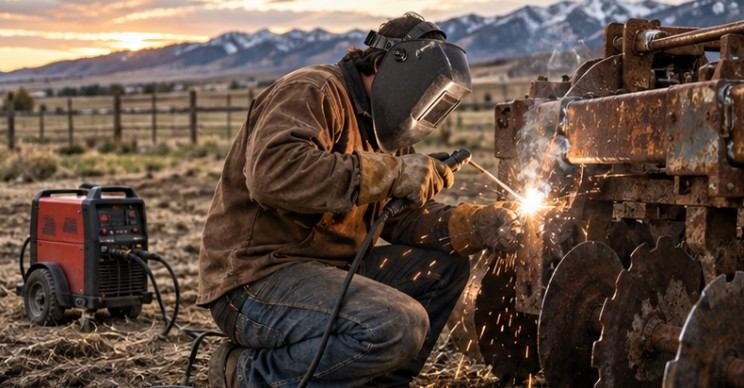
A breeze that barely moves the leaves can already matter to a weld. The Federal Highway Administration’s Bridge Welding Reference Manual notes that gas-shielded FCAW used under the Bridge Welding Code is limited to wind around the arc of 5 mph unless shielding is provided. That gives you an idea of how easily moving air…
-
How to Prepare Metal for Welding Repair: Steps for Stronger, Safer Welds
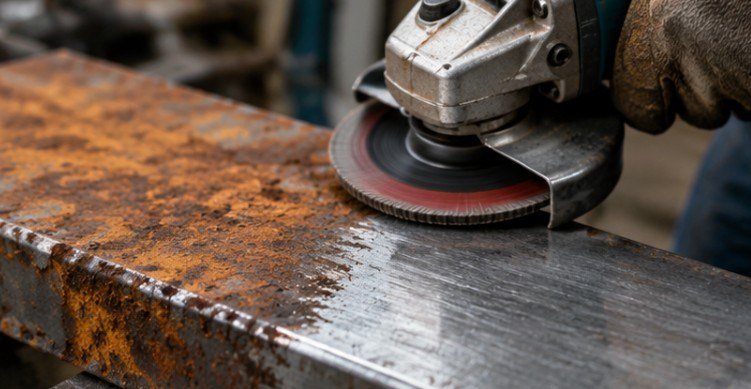
A weld can fail before the first spark ever reaches the metal. The biggest mistake many repair welders make is focusing on machine settings while ignoring the surface condition of the material. Learning how to prepare metal for welding repair properly is often the difference between a weld that lasts for years and one that…
-
What Causes a Weld to Crack After Welding? Common Reasons and How to Prevent It
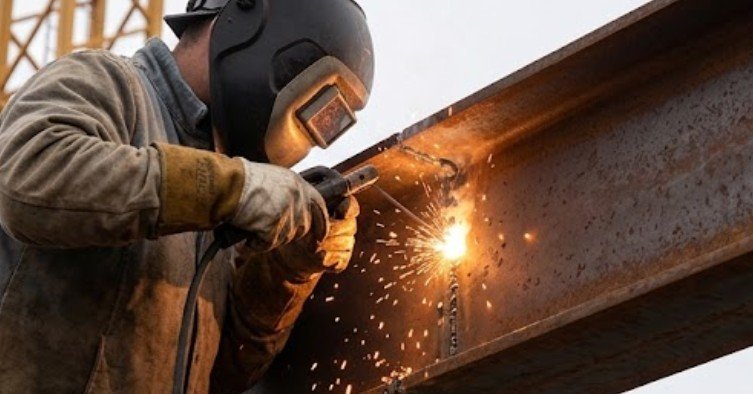
A weld can look perfect while it is still hiding a future failure. Many cracks do not appear while the arc is running—they develop as the metal cools, contracts, and reacts to stresses trapped inside the joint. Understanding what causes a weld to crack after welding helps welders prevent failures before they become expensive repairs…
-
How to Tell If a Weld Needs Repair Before It Fails
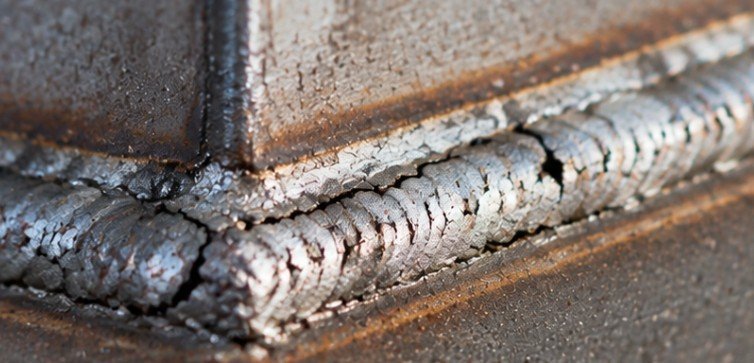
A weld can look solid on the outside and still contain a weakness that causes failure later. A tiny crack, incomplete fusion, or hidden void can turn a repair job into a safety hazard if it supports a vehicle part, structural frame, pressure component, or heavy equipment. Learning how to tell if a weld needs…
-
Can a Truck Frame Be Welded? The Safety, Engineering, and Legal Realities
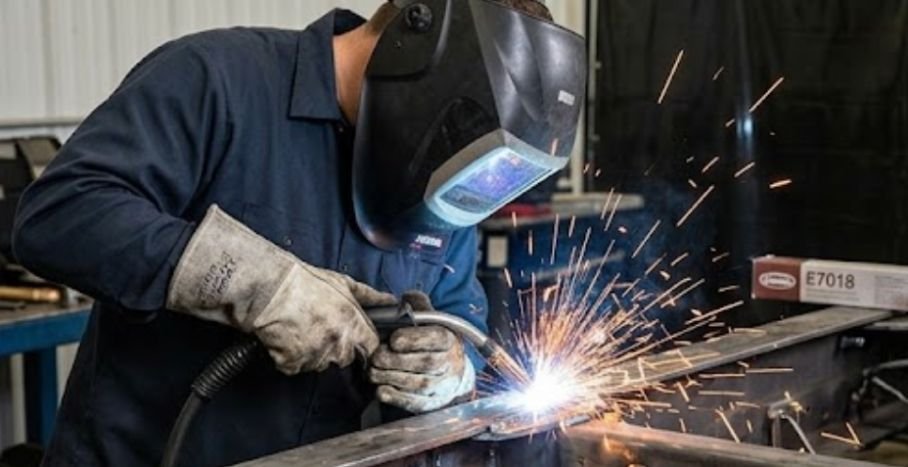
An unexpected bump on a haul or years of rust standardly leads to the same dreaded discovery in the shop: a crack running through your truck’s frame. The immediate knee-jerk reaction for most mechanics and owners is to grab a torch, but melting metal back together isn’t always that simple. Yes, can a truck frame…
-
Future Skills for the Welding Workforce: Technology, Training, and Careers
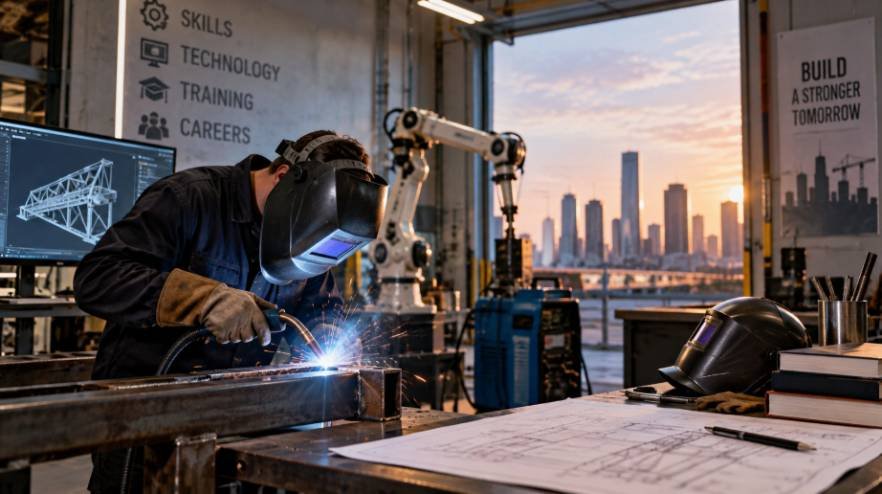
I have noticed that welding shops are changing in ways that would have seemed unusual a few years ago. A welder can spend hours fitting, tacking, and running beads by hand, but there is often a screen, sensor, robot, or digital work instruction nearby. That mix makes the future skills for the welding workforce feel…
-
Welding Electrical Safety Practices That Help Prevent Serious Accidents
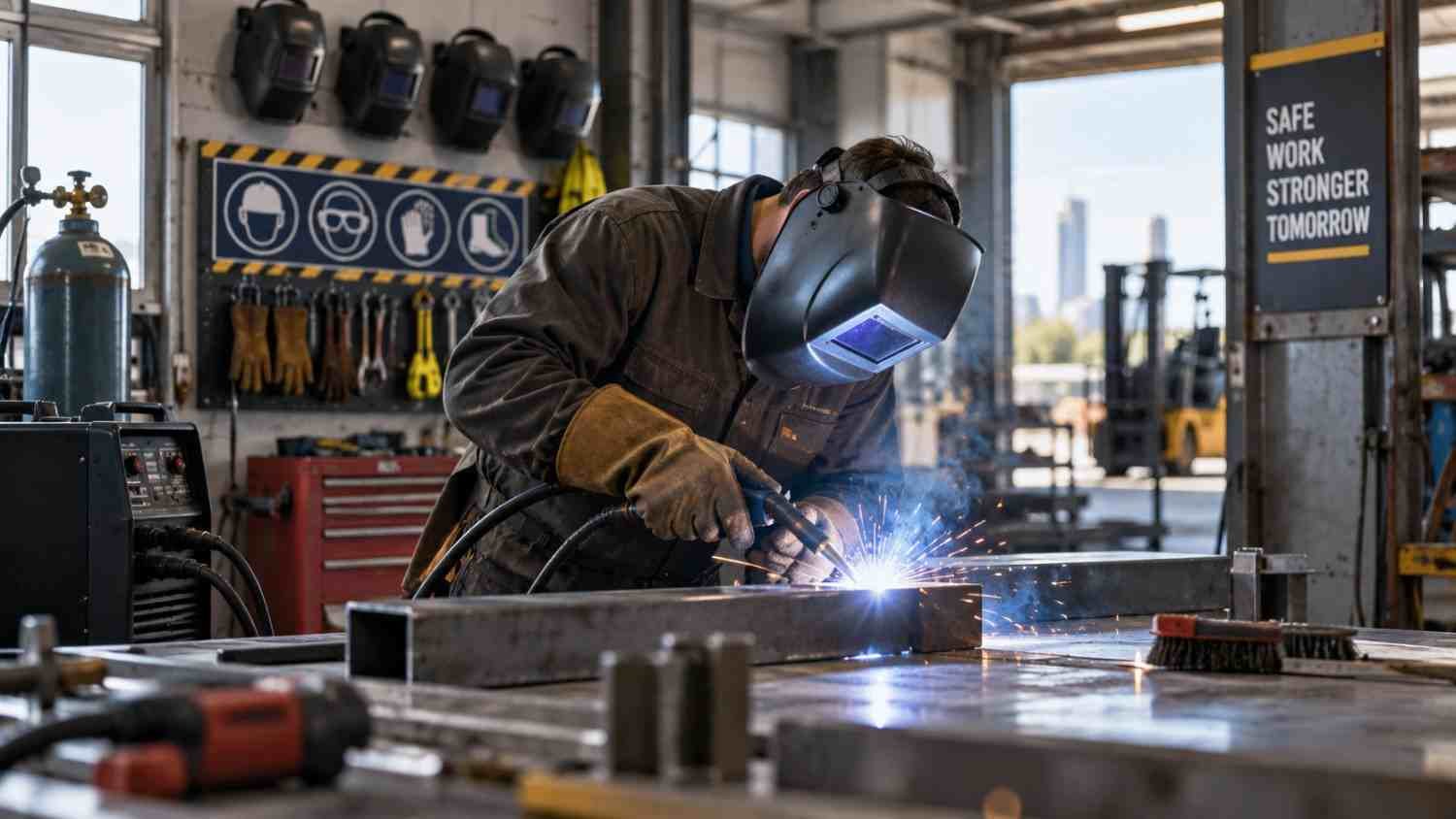
I noticed that welding safety conversations often focus on helmets, gloves, and fire hazards while the electrical side gets less attention. I realized how quickly a damaged lead, damp glove, or poorly placed electrode holder can turn familiar equipment into a serious shock hazard. Then, I started seeing welding electrical safety practices differently once I…
-
Respiratory Protection for Welding Fumes: What Welders Need to Know
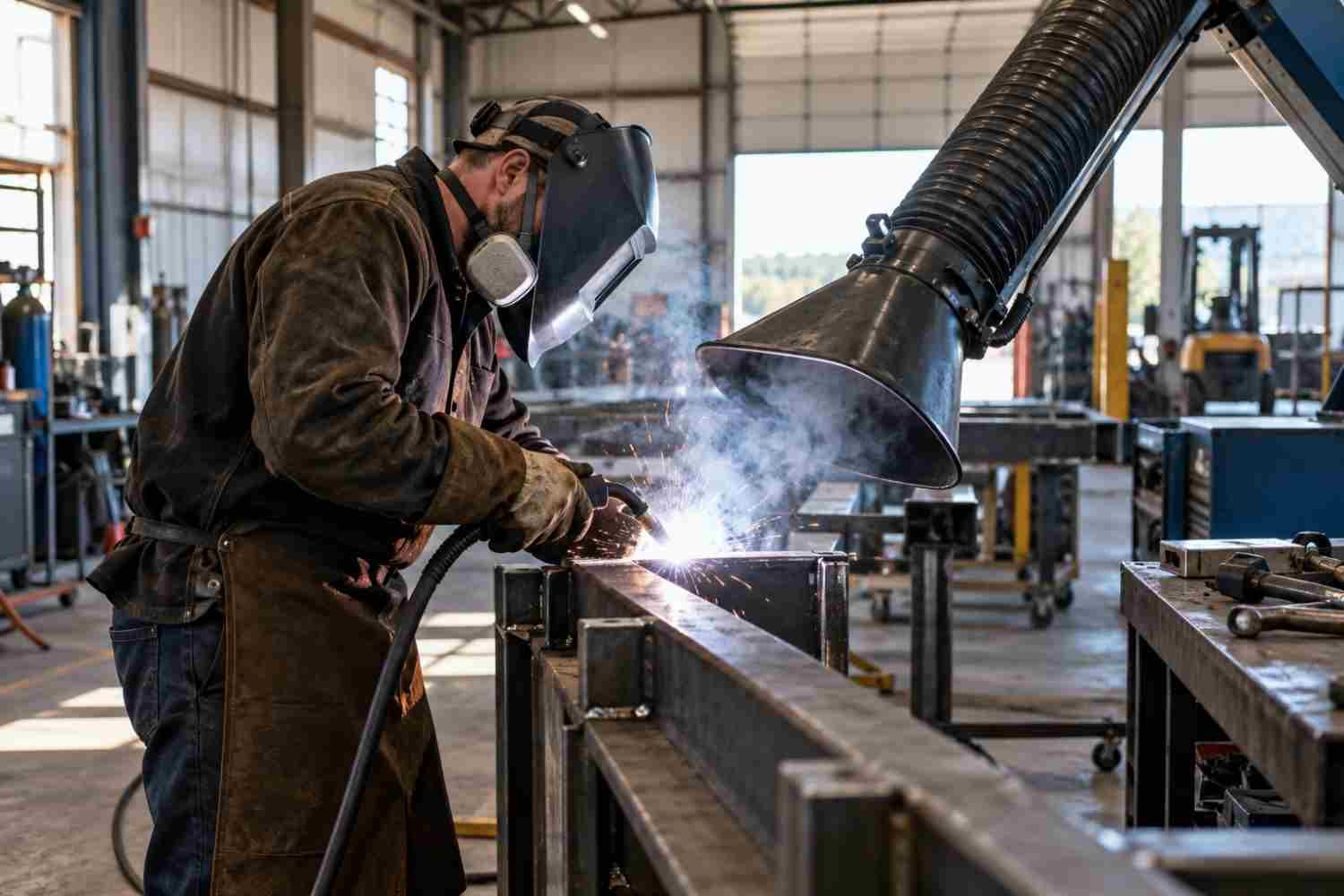
I noticed how easy it is to treat welding fumes as part of the job, especially when a shop has fans running. Once you spend hours welding, though, that haze around the hood becomes a different concern. The material, coatings, process, and ventilation all affect what reaches your breathing zone. I also realized that choosing…
-
Robotic Welding Career Opportunities Across Modern Manufacturing
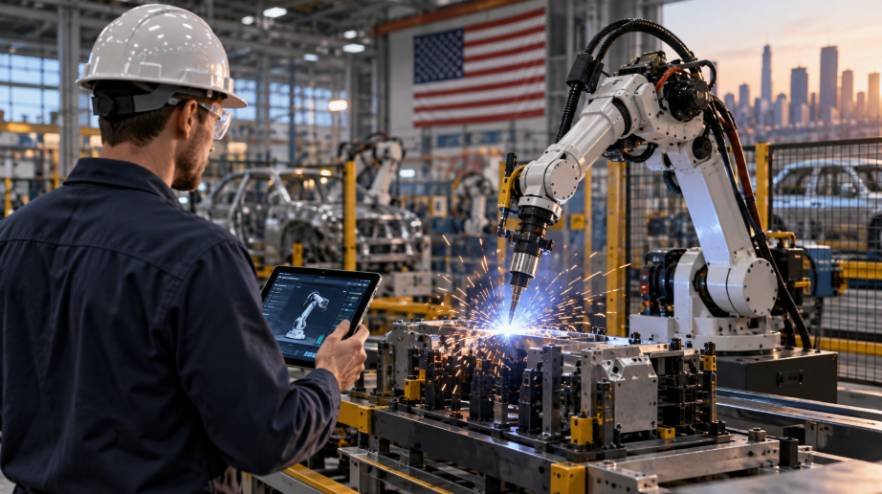
I first noticed how different a modern welding floor feels when a robot cell works beside traditional welding stations. Someone still has to understand fit-up, heat, penetration, distortion, joint design, and what a good weld should look like. That mix made me realize that robotic welding career opportunities are less about abandoning welding and more…
-
Can You Weld a Cracked Trailer Frame? The Safety, Science, and Structural Fixes
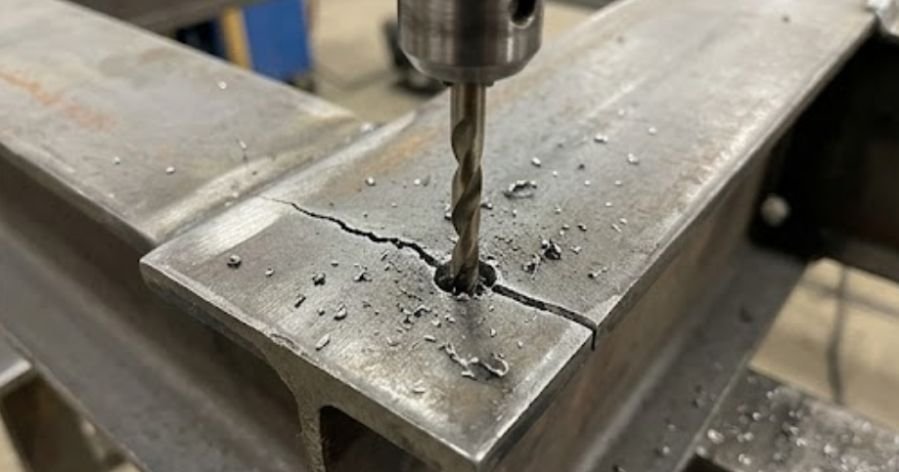
A hairline fracture in a steel trailer frame can go from a minor annoyance to a catastrophic highway failure in a matter of miles. A loaded trailer bouncing down an interstate places thousands of pounds of dynamic force on its chassis, turning a tiny crack into a major structural break. So, can you weld a…