Latest posts
-
Interpass Temperature Control Welding Thick Steel: What I Learned on 40mm Plate
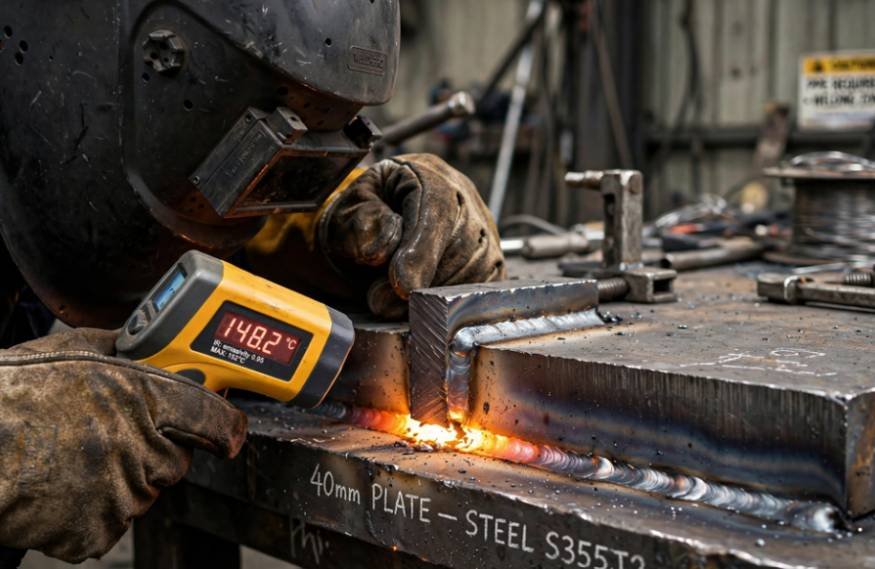
I ruined a 40mm test coupon early in my career because I ignored interpass temperature control welding thick steel. The root passed inspection. The cap cracked overnight. Thick steel acts as a massive heat sink, and if you let it get too cold or too hot between passes, you lose toughness, strength, and the whole…
-
Welding Fumes Safety and Ventilation Tips for a Healthier Welding Shop
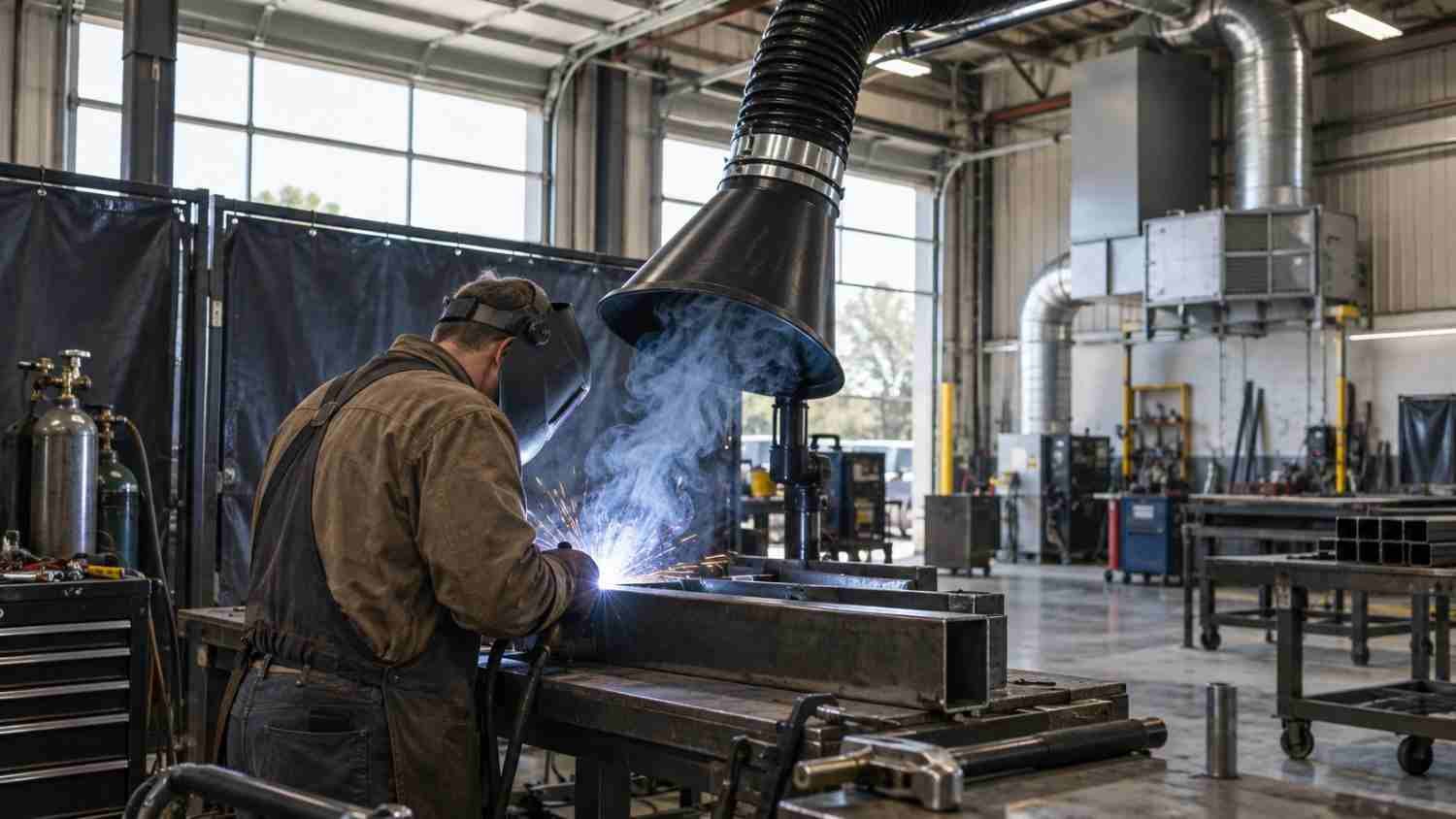
I used to think welding fumes were mostly a visibility problem. If the plume drifted away quickly, the shop seemed fine. Over time, I realized that clear air at eye level does not necessarily mean clean air in a welder’s breathing zone. Position, airflow, or material can change exposure dramatically. I also found that ventilation…
-
Heavy Equipment Welding Repair: What Separates a Lasting Fix From a Repeat Failure
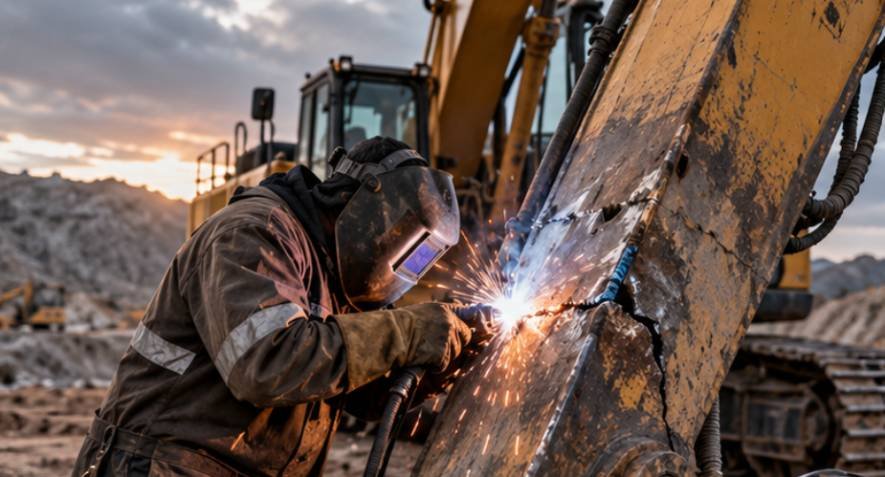
A cracked excavator boom can look like a simple welding job, but the visible crack is often only the last symptom of a larger problem. Worn pin bores, repeated shock loading, poor fit-up, or an earlier repair may keep concentrating stress in the same place. That is why heavy equipment welding repair should begin with…
-
Skip Welding Technique for Long Seams: Control Heat and Warping
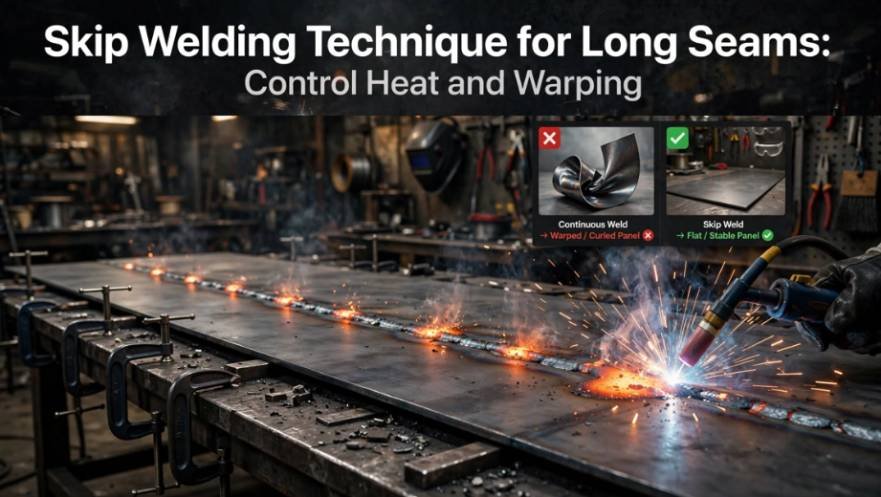
Few things are more frustrating in metal fabrication than watching an eight-foot sheet panel curl off the table like a potato chip. When running a continuous pass down a joint, heat accumulates rapidly, expanding the parent metal while the trailing cooling bead contracts under severe tension. Over the years, I have saved countless thin panels…
-
How to Inspect Welding Equipment Before Use: A Step-by-Step Look
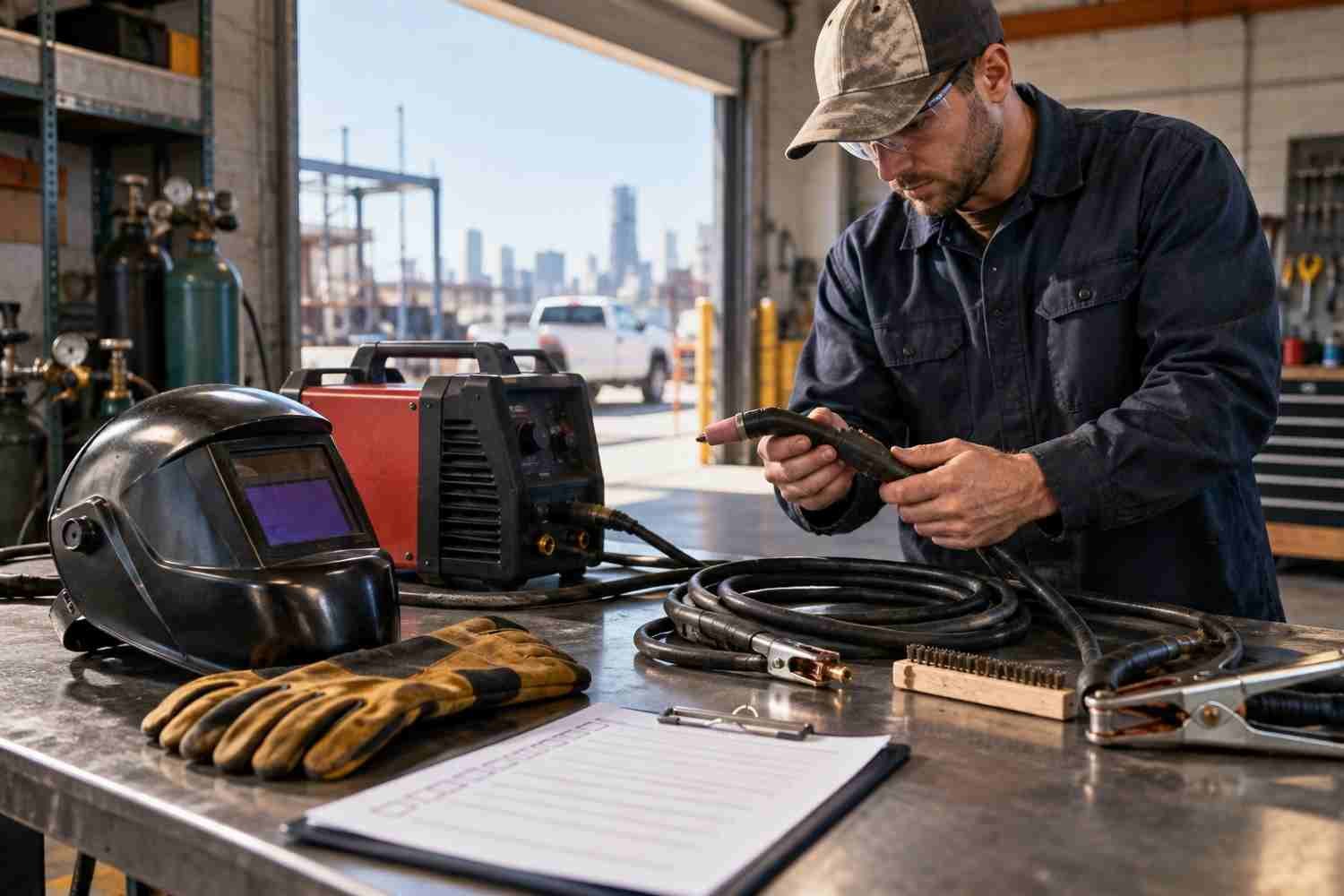
I used to think a welding inspection was mostly about checking whether the machine powered on. After seeing how quickly a worn lead, loose connection, or damaged hose can become a serious problem, I started treating the pre-use check as part of the job itself, not a box to tick. I also found that the…
-
Technology Skills Modern Welders Need for Better Results
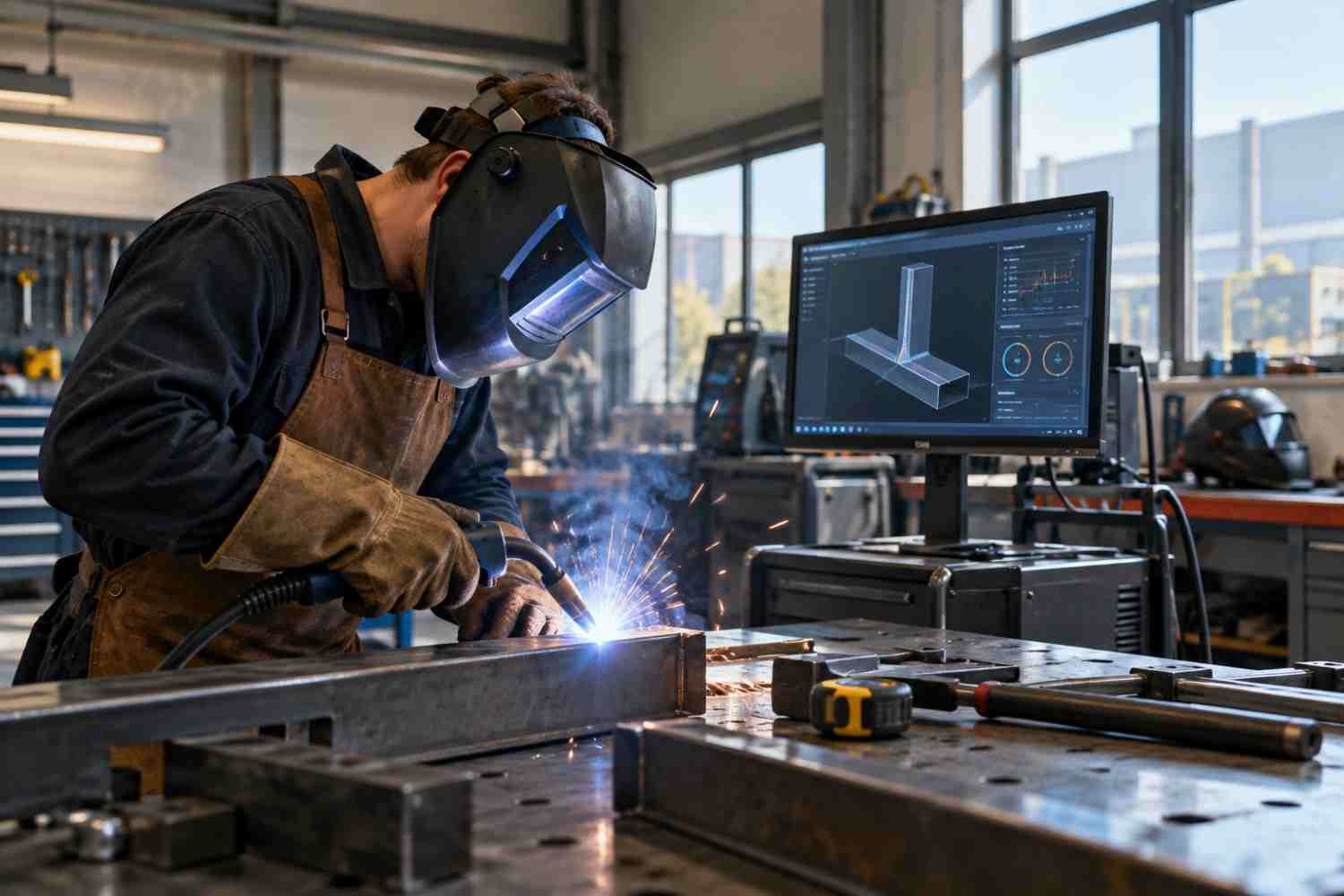
I have noticed how quickly a welding booth can change when a shop upgrades its equipment. A job that once depended mostly on hand control may now involve touchscreens, sensors, digital drawings, or a robotic arm. The welder still needs to understand the arc and puddle, but the work increasingly includes technology that can measure,…
-
Field-Ready Engineering: The Science and Strategy of Farm Equipment Welding Repair
Nearly 75% of catastrophic agricultural machinery failures stem not from primary component manufacturing defects, but from fatigue cracks that were improperly repaired during seasonal downtime. When a high-stress implement like a tillage shank or loader arm snaps in the middle of harvest, a hasty, structural weld job can mean the difference between a thirty-minute pause…
-
A Practical Look at Digital Tools for Modern Welding Professionals
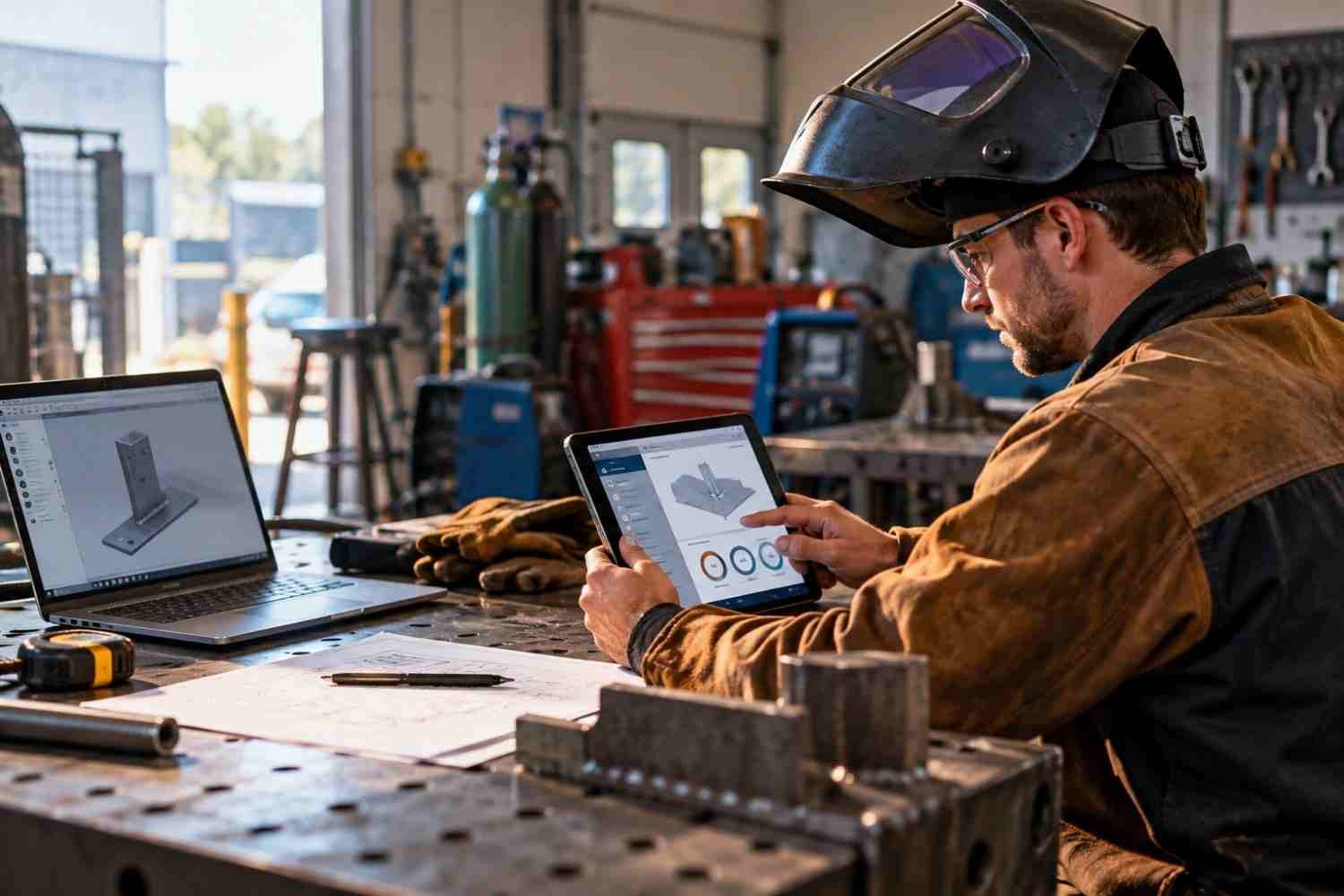
I have noticed how often welding work now involves a screen alongside the hood, gloves, and torch. A welder may check a procedure on a tablet, review machine settings on a display, or record a completed joint before moving to the next task. The craft is still hands-on, but the workflow around it is becoming…
-
Corner Joint Outside Edge Fill Welding Technique: Pro Shop Guide
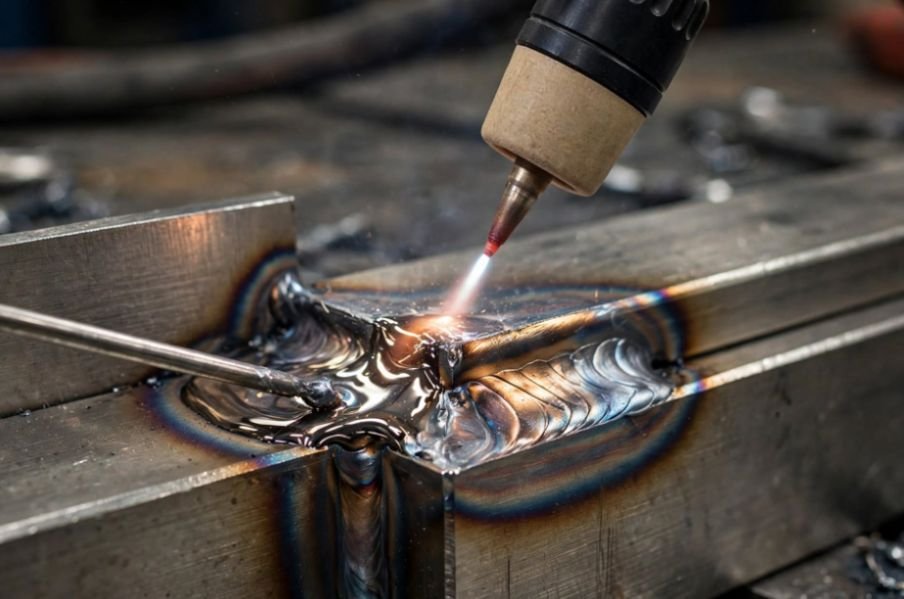
Melted apex corners, uneven edges, and sagging root passes ruin what should be a clean 90-degree fabrication. The corner joint outside edge fill welding technique solves this issue by locking exterior plate edges together without blowing away thin boundaries. I have built hundreds of custom enclosures and structural frames, and getting this specific seam flat,…
-
Butt Joint Bevel Root Gap Feathering Technique: My Shop-Tested Guide to Flawless Open Roots
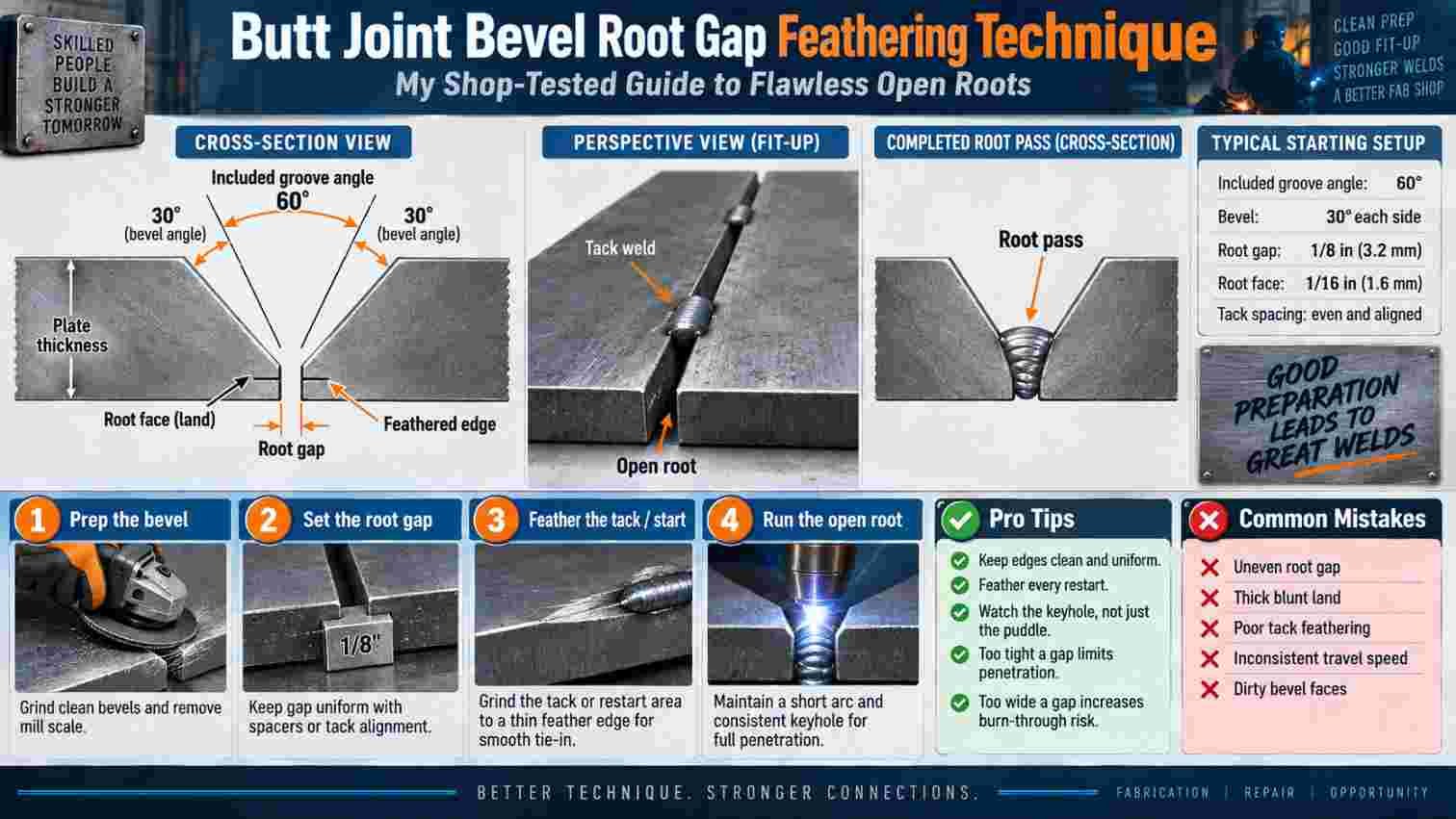
I learned butt joint bevel root gap feathering technique the hard way — after failing a 6G pipe test. The inspector showed me a line of lack-of-fusion right where my tack weld sat. Since then I have run over 200 open roots on plate and pipe, and feathering is non-negotiable for me. If you want…