Farming rarely gives you a convenient time for repairs. A broken gate hinge, cracked trailer mount, damaged equipment bracket, or failed implement can stop an entire day’s work if you have to wait for outside help. I have found that having a dependable welding machine on the property can turn many urgent repairs into quick fixes.
Choosing the best welder for small farm repairs is not simply about buying the most powerful machine available. Farm welding requires a balance of portability, durability, power, and the ability to work in unpredictable conditions. Whether I am repairing fencing outdoors, reinforcing equipment frames, or fixing attachments in a farm shop, the right welder needs to perform when and where I need it.
Unlike a typical garage project, farm repairs often involve rusty steel, thick materials, limited power access, and changing weather conditions. That is why understanding welding processes, machine capabilities, and real-world farm applications is essential before making a purchase. In this guide, I will compare the most reliable welding options for small farms and explain what features matter most for rural repair work.
What Is the Best Welder for Small Farm Repairs?
For most small farms, I recommend choosing either a dual-voltage multi-process welder or a dependable DC stick welder. These machines provide the versatility needed for everything from fence repairs to tractor attachments.
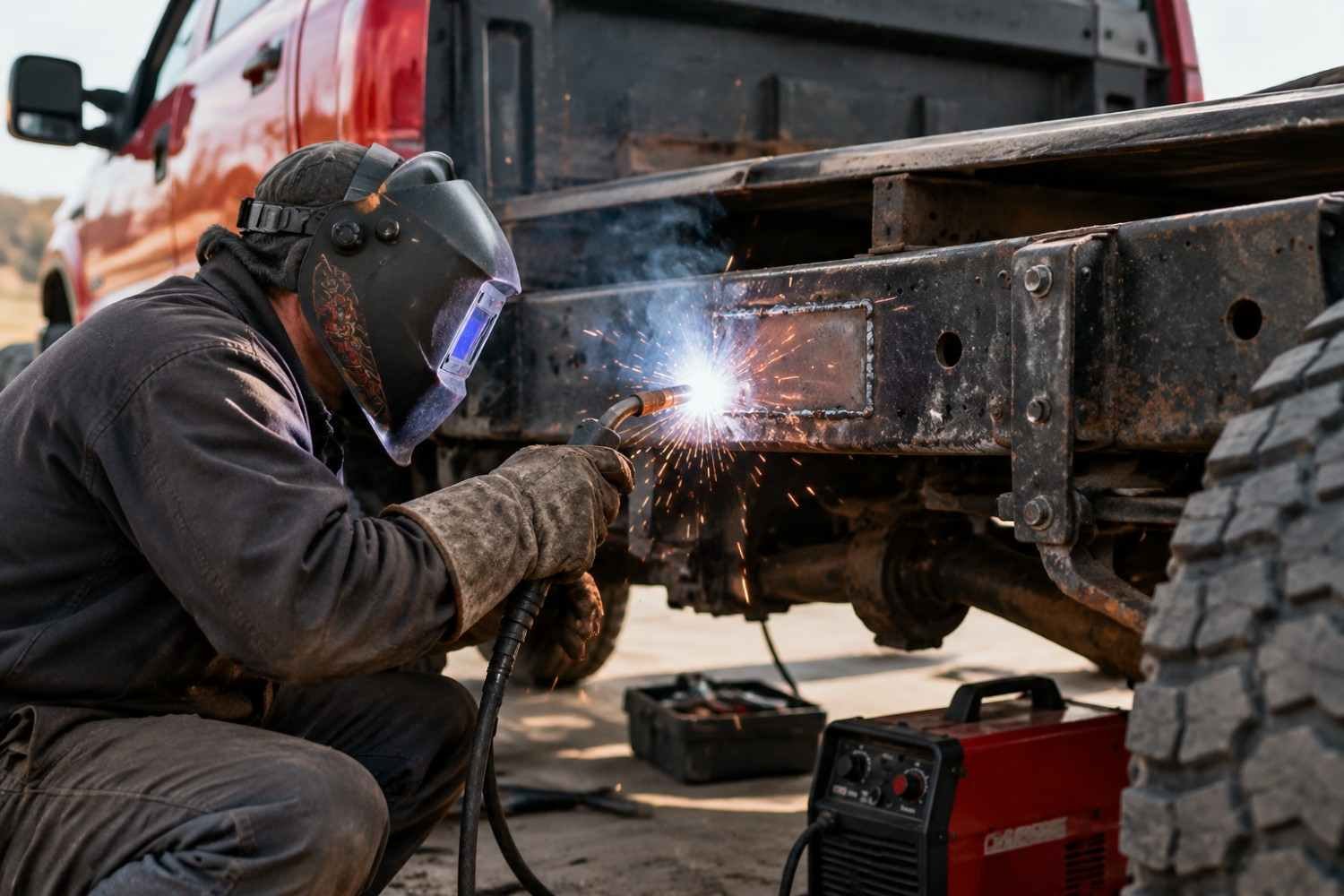
A stick welder remains one of the most practical choices for rural work because it performs well on dirty, rusty, and outdoor steel. Unlike traditional MIG welding, stick welding does not rely on shielding gas that can be affected by wind. This makes it extremely useful for field repairs.
A multi-process welding machine is another excellent option because it combines MIG, flux-core, stick, and sometimes TIG capability into one unit. This gives me the ability to repair heavy equipment outdoors while still handling cleaner fabrication work inside a shop.
Best Welders for Farm Repairs
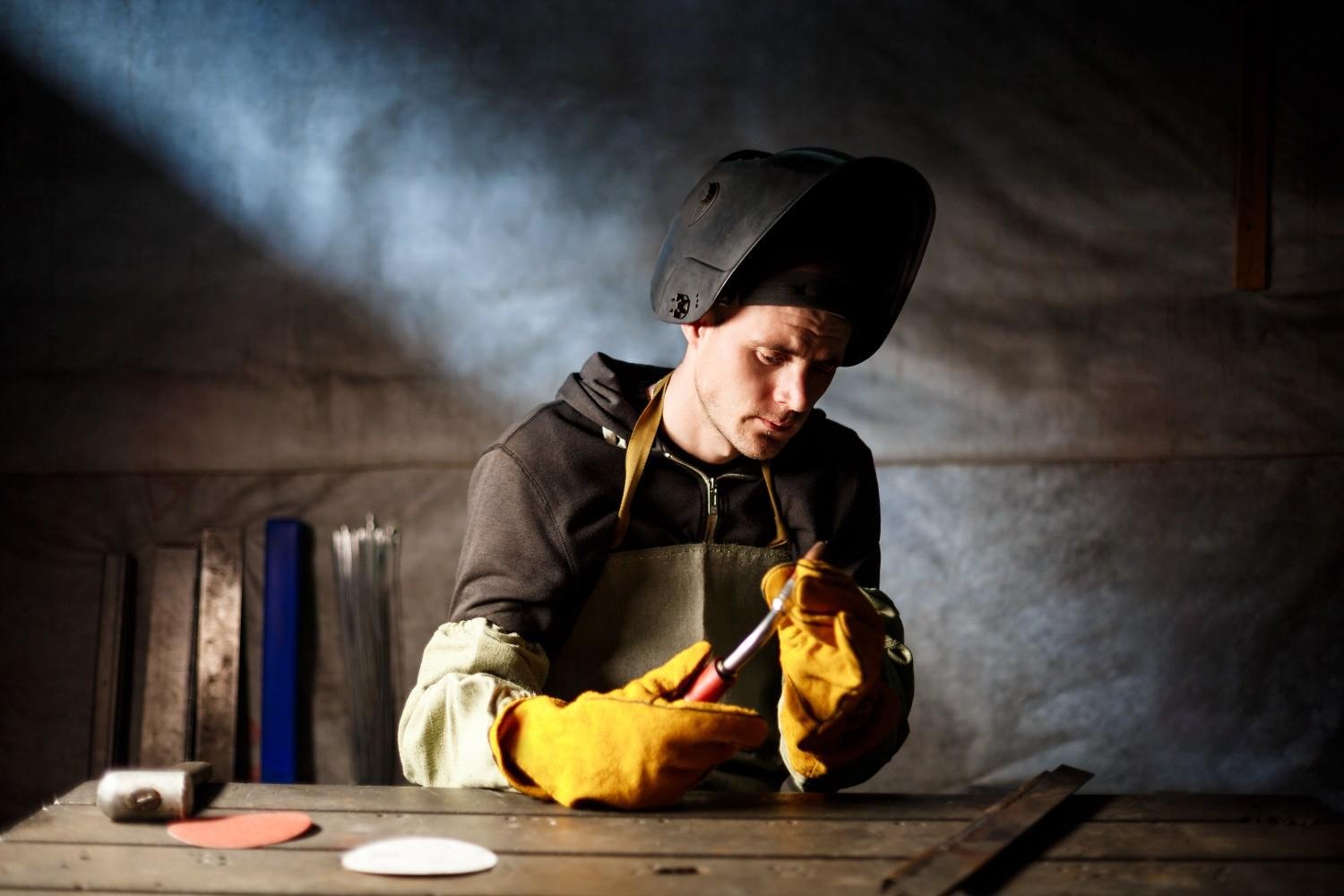
Hobart Stickmate 160i: Best Portable Stick Welder for Farm Work
When portability matters, the Hobart Stickmate 160i is one of the strongest choices for farmers who need a machine they can carry around the property. It is designed for maintenance work where moving the welder to the equipment is easier than moving the equipment to the shop.
Its DC stick welding capability makes it suitable for:
- Gate repairs
- Trailer maintenance
- Equipment brackets
- Fence repairs
- General steel fabrication
The lightweight inverter design and dual-voltage capability make it practical for farms with multiple work locations. It can run on 120V or 240V power, giving flexibility between a standard outlet and a dedicated shop circuit.
Miller Multimatic 215: Best Multi-Process Farm Welding Machine
For farmers who want one machine that can handle multiple jobs, the Miller Multimatic 215 is a premium option. It supports MIG, flux-core, DC stick, and DC TIG welding, making it useful for both repairs and fabrication projects.
I like multi-process machines because farm repairs are unpredictable. One day I may need to repair a thick steel loader bracket, and the next day I may need to fabricate a small metal component in the workshop.
A machine like this reduces the need to own several separate welders.
Lincoln Electric Easy MIG 140: Best Beginner MIG Welder for Small Farms
For farmers who mainly work inside a garage or covered workshop, the Lincoln Electric Easy MIG 140 is a practical choice. It is easier to learn than stick welding and works well for lighter fabrication projects.
It is suitable for:
- Small gates
- Thin tubing
- Sheet metal repairs
- Workshop projects
Because MIG welding uses a continuous wire feed, it allows beginners to create cleaner welds with a lower learning curve. However, I would avoid relying only on gas-shielded MIG welding for outdoor repairs because wind can disturb the shielding gas.
VEVOR MIG Welder 130A: Best Budget Portable Option
For occasional repairs and smaller projects, a budget multi-function machine can be useful. A compact MIG and flux-core welder provides flexibility without the cost of professional equipment.
This type of machine works well for:
- Light farm maintenance
- Small fabrication jobs
- Thin steel repairs
However, for heavy tractor frames or structural repairs, I prefer investing in a stronger machine with higher amperage capacity.
Stick vs MIG Welding for Farm Repairs: Which One Should You Choose?
The choice between MIG and stick welding depends on where I usually perform repairs.
Stick welding is generally the better option for outdoor farm work because it handles:
- Wind
- Dust
- Rusty steel
- Heavy structural materials
It is often considered the best stick welding approach for farm work because reliability matters more than appearance when repairing equipment.
MIG welding is better when I need speed, cleaner welds, and easier operation inside a controlled environment. It works especially well for fabrication projects where the metal is clean and properly prepared.
For many small farms, a multi-process machine provides the best balance because it allows both outdoor repairs and workshop projects.
What Size Welder Do I Need for Farm Equipment?
The required amperage depends on what I repair.
For light jobs like:
- Fence posts
- Small brackets
- Thin metal panels
A 120V machine with around 130–150 amps may be enough.
For heavier repairs such as:
- Trailer frames
- Tractor attachments
- Loader buckets
- Agricultural equipment
I prefer a machine closer to 180–250 amps because thicker steel requires more penetration.
A 240V welder usually provides more power and better duty cycle performance for demanding repairs.
Important Features to Look For in a Farm Welder
Before buying a farm welding machine, I focus on a few important features.
Dual Voltage Capability
A dual-voltage welder gives me flexibility. I can use 120V power for lighter repairs and switch to 240V power when I need maximum output.
This is especially useful on rural properties where electrical access may vary.
Portability
A portable welder for farm repairs should be easy to move between barns, fields, and equipment storage areas. Modern inverter welders are much lighter than traditional transformer machines, making transportation easier.
Duty Cycle
Duty cycle determines how long the machine can weld before cooling down. For frequent repairs, a higher duty cycle prevents unnecessary interruptions.
Availability of Consumables
I always consider whether replacement rods, wire, tips, and accessories are easy to find. A reliable machine is only useful when supplies are available.
Can One Welder Handle Tractor Repairs, Trailers, and Gates?
A good welding machine for agricultural equipment can handle many common farm repairs, but choosing the right capability matters.
A smaller MIG or flux-core machine can repair gates and light fabrication projects. However, a welder for tractor repairs should have enough power for thick structural steel and components that experience heavy stress.
For most small farms, a strong stick welder or multi-process machine offers the best combination of durability and versatility.
Farm Welding Safety Tips
Farm environments create unique welding hazards. Before starting any repair, I make sure the area is free from:
- Hay and straw
- Fuel containers
- Oil residue
- Other flammable materials
Proper ventilation, protective equipment, and fire prevention practices are essential because sparks can quickly create dangerous situations around farm buildings.
Frequently Asked Questions (FAQs)
1. What is the best welder for small farm repairs?
The best welder for small farm repairs depends on your needs, but a dual-voltage stick welder or multi-process machine is usually the most versatile choice for rural maintenance.
2. Is stick welding better than MIG for farm repairs?
Stick welding is usually better for outdoor repairs because it handles wind, dirt, and rusty steel. MIG welding is better for cleaner workshop projects where speed and appearance are priorities.
3. What welder is best for tractor repairs?
A 180–250 amp stick or multi-process welder is generally a better choice for tractor repairs because it provides enough power for thicker steel components.
4. Can I use a portable welder on a farm?
Yes. Portable inverter welders are excellent for farms because they can be transported directly to broken equipment instead of requiring large machinery to be moved back to a shop.
Final Thoughts
Choosing the right welder is about matching the machine to the work you actually perform. A small farm needs equipment that can handle unexpected repairs, outdoor conditions, and different types of steel. That may include anything from fence repairs and equipment maintenance to choosing a welder for patching truck frame damage on farm vehicles.
For most US farmers, I would choose a reliable stick welder or multi-process machine because it provides the flexibility needed for fencing, trailers, equipment repairs, and general maintenance. The best welder for small farm repairs is not always the most expensive option—it is the one that starts when you need it, works where you need it, and keeps your operation moving.
A dependable welder becomes one of the most valuable tools on a farm because it reduces downtime and gives you the ability to solve problems immediately.