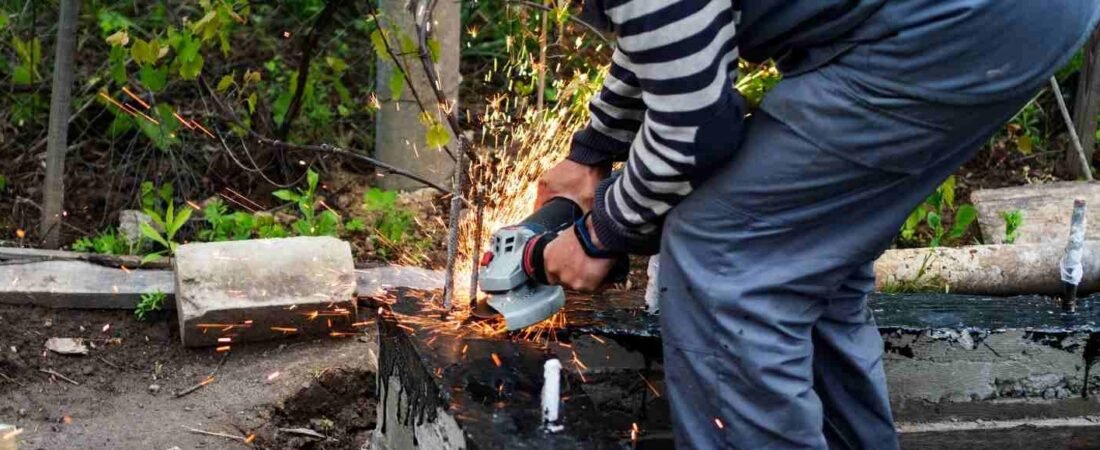
A broken fence can quickly become more than a simple inconvenience. Whether it is a damaged farm gate after heavy use, a cracked hinge on a steel fence, or a loose livestock panel that needs immediate attention, delaying repairs can create bigger problems.
I have found that having the right equipment nearby makes a major difference, especially for properties where the nearest welding shop may be miles away. A dependable portable welder for fence repair allows me to handle urgent metal fixes directly at the job site without removing large sections of fencing or transporting heavy materials.
Choosing the right welder, however, is not just about buying the smallest machine available. Fence repairs involve different steel thicknesses, outdoor conditions, power limitations, and welding requirements. From lightweight decorative fencing to heavy farm gates and structural posts, the ideal welder needs enough versatility and performance to match the repair.
In this blog, I will explain the features, welding processes, power options, and specifications I consider when selecting a machine for reliable fence maintenance across US homes, farms, and rural properties.
What Makes a Good Portable Welder for Fence Repair?
The ideal welder for fence maintenance needs to handle three things: movement, power limitations, and changing repair conditions.
Portability matters because fence lines often stretch across large properties. I prefer a lightweight inverter machine that can fit in a truck, ATV trailer, or storage area without becoming difficult to carry. A compact welder is especially useful when repairing fences away from a garage or electrical outlet.
Power flexibility is equally important. Many US homeowners need a machine that can operate from a standard 120V outlet, while heavier repairs may require 240V power. A dual-voltage welder gives more freedom because I can use household electricity for smaller repairs and switch to higher voltage when working on thicker steel.
I also check duty cycle before buying. A welder may produce high amperage, but it still needs enough cooling capacity for repeated repairs. A machine with a suitable duty cycle prevents overheating when rebuilding gates, repairing multiple posts, or completing larger fence projects.
Is Stick Welding the Best Choice for Outdoor Fence Repairs?
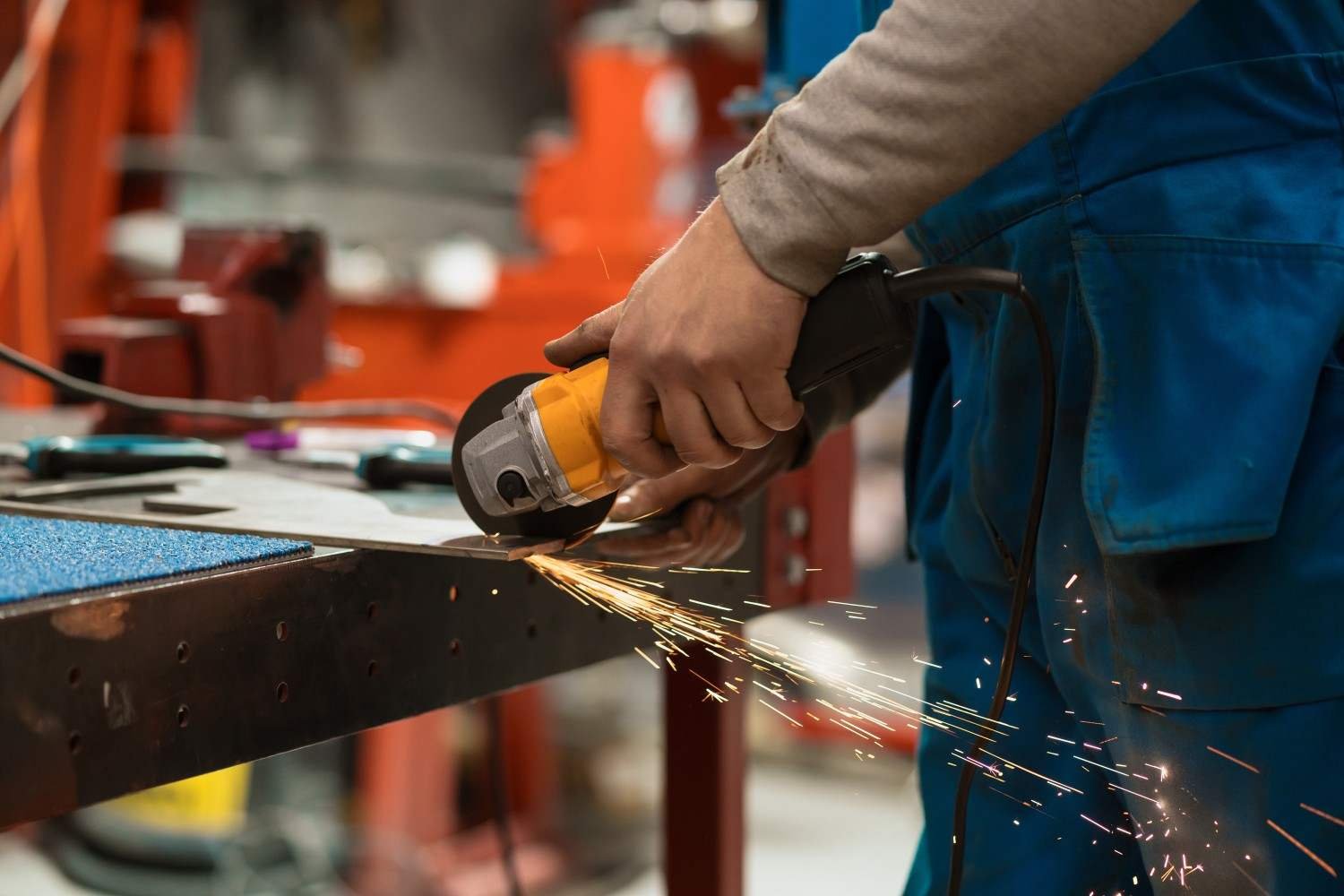
For most outdoor fence work, stick welding remains one of the most practical options. The biggest advantage is that it does not depend on shielding gas. This makes it useful when working outdoors where wind can affect gas-shielded welding processes.
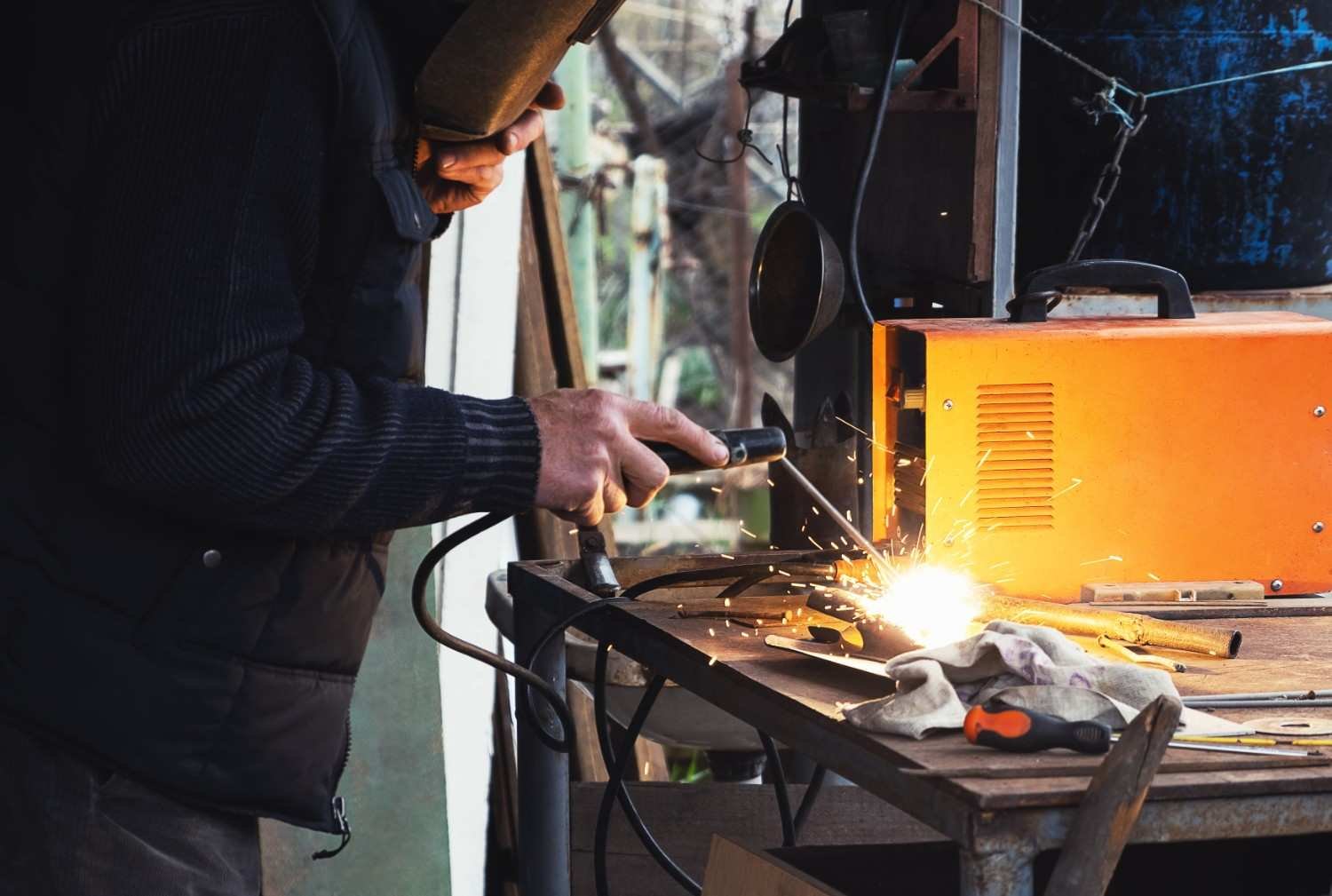
Stick welding, also called Shielded Metal Arc Welding (SMAW), uses flux-coated electrodes that create their own protective shield during welding. This makes it a strong choice for farm gates, steel posts, brackets, and repairs where conditions are less controlled.
I also like stick welding because it handles imperfect surfaces better than many alternatives. Fence materials are often exposed to moisture, dirt, rust, and old paint. While I always clean the repair area whenever possible, stick electrodes can still perform well in demanding outdoor environments.
Common electrodes for fence repairs include:
E6011 rods are useful when I need deeper penetration on older or slightly contaminated steel.
E6013 rods are beginner-friendly and work well for lighter repairs and cleaner metal.
E7018 rods provide strong structural welds when the steel is properly prepared.
Should I Buy a Stick, MIG, Flux-Core, or Multi-Process Welder?
The best welding process depends on how I use the machine.
A portable stick welder is often the best choice for rural repairs because it requires fewer accessories. There is no gas cylinder to transport, and the setup is simple. For repairing broken gate hinges, steel posts, and livestock fencing, stick welding offers excellent reliability.
A flux-core welder is another practical option. Self-shielded flux-core wire eliminates the need for external gas, making it easier to move around a property. It can be a good choice for users who prefer a wire-feed system but still need outdoor capability.
MIG welding is faster and easier for many beginners, especially when working in a garage or sheltered area. It creates clean-looking welds and works well for fabrication projects. However, standard MIG relies on shielding gas, which can become unreliable in windy outdoor conditions.
For many property owners, a 3-in-1 multi-process welder provides the best flexibility. These machines can combine flux-core, stick, and lift-TIG functions in one unit. This allows me to move from heavy steel gate posts to thinner decorative fence sections without needing multiple machines.
How Much Amperage Do I Need for Fence Repairs?
Choosing the correct amperage is one of the most important buying decisions.
For lighter repairs, a smaller machine may be enough. Thin steel pickets, chain-link supports, decorative fencing, and small brackets generally do not require extreme output.
A practical range looks like this:
Around 90–140 amps works well for light fence repairs, thin tubing, and smaller steel components.
Around 150–200 amps is a better choice for farm gates, heavier rails, and general property maintenance.
Around 200–250 amps provides additional capacity for thick structural posts and demanding repairs.
I do not automatically choose the highest amperage machine. A welder should match the material thickness and repair frequency. Oversizing the machine can add unnecessary cost and weight without improving everyday repairs.
Can I Run a Portable Welder From a Generator?
Yes, many portable welders can operate from a generator, which is extremely useful for large farms and rural properties.
A generator-compatible welder allows me to repair fencing far away from the house, workshop, or electrical connection. This is especially helpful when repairing pasture fencing, remote gates, or damaged sections along property boundaries.
I also consider extension cord limitations. A long extension cord can create voltage drop if it is not properly sized. For repairs requiring a 100-foot cord run, I make sure the cable rating matches the welder’s electrical requirements.
Using the wrong extension cord can reduce performance, cause unstable arcs, and create excessive heat. Checking manufacturer recommendations before connecting equipment is always important.
What Fence Repairs Can a Portable Welder Handle?
A properly selected welder can handle many common residential and agricultural repairs, including:
Broken gate hinges
Steel fence rails
Livestock panel supports
Fence post brackets
Chain-link framework repairs
Decorative metal fencing
Gate latch reinforcement
However, welding is not always the best solution. If a fence post has severe rust damage or the surrounding steel has become weak, replacing the damaged section may provide a stronger long-term repair.
How Do I Get Strong Outdoor Fence Welds?
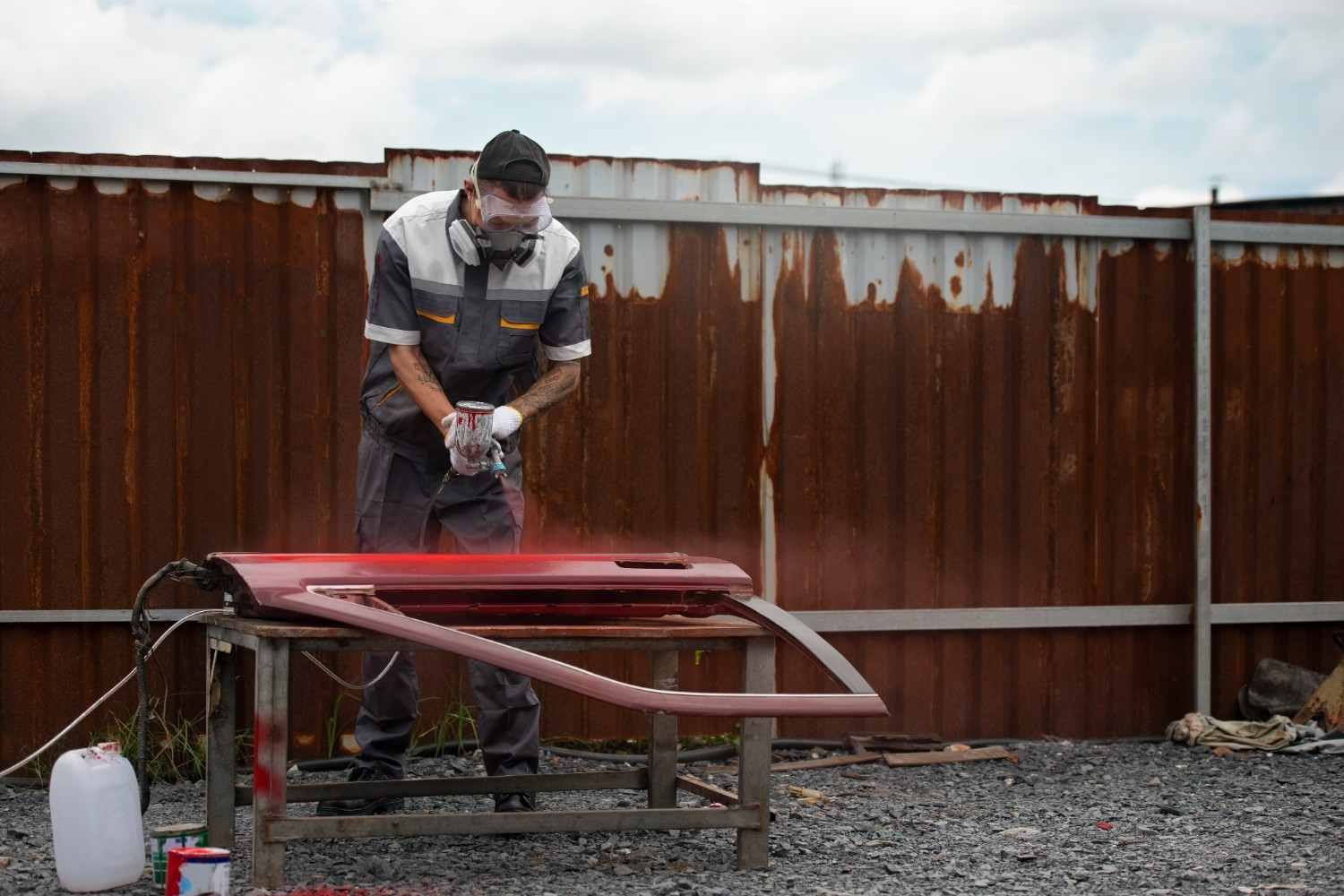
Good preparation creates better welds. Before starting, I remove loose rust, dirt, paint, and moisture from the repair area. Clean surfaces allow better penetration and reduce the chance of weak joints.
I also focus on proper alignment before welding. A strong machine cannot compensate for poor fit-up between two pieces of metal.
Outdoor safety is equally important. I wear proper protective equipment, keep flammable materials away from the welding area, and avoid welding during unsafe weather conditions.
FAQs About Portable Welders for Fence Repair
1. What is the best type of welder for fence repair?
A stick welder is often the best choice for outdoor fence repairs because it works without shielding gas and handles changing weather conditions. A multi-process welder is a good option for users who want additional MIG, flux-core, and TIG flexibility.
2. Can a 110V welder repair a fence?
Yes, a 110V welder can handle many light and medium fence repairs. For thick steel gates, structural posts, or frequent repairs, a 240V machine usually provides better performance.
3. What size welder do I need for farm fence repairs?
For most farm and ranch repairs, a machine between 150 and 200 amps provides a useful balance of portability and power.
4. Are multi-process welders worth it for fence maintenance?
Yes. A multi-process welder can be valuable because fence repairs involve different materials and thicknesses. One machine can handle stick welding for heavy outdoor repairs and flux-core or MIG-style welding for cleaner fabrication work.