A cracked or rust-damaged truck frame is one of the repairs where choosing the wrong welding machine can create more problems than it solves. When I look for a welder for patching truck frame projects, I focus on penetration, heat control, and the ability to create a repair that can handle real driving conditions.
Unlike simple metal fabrication jobs, truck frame welding involves structural steel that experiences constant vibration, heavy loads, and road impacts. That is why I consider factors such as amperage, voltage, welding process, filler material, and preparation methods before deciding on the right equipment for a repair.
What Makes a Welder Suitable for Truck Frame Repair?
The best welder for truck frame repair is not always the machine with the highest advertised amperage. I focus on practical features that improve weld quality, including output range, duty cycle, voltage compatibility, and voltage regulation. A welder with stable voltage regulation helps maintain a consistent arc, improves penetration, and allows better control when working on critical structural repairs like truck frames.
For most truck repairs, I look for a machine that can provide:
- Around 140 amps or more for lighter frame repairs
- 180–200+ amps for thicker sections and heavy-duty trucks
- Stable wire feeding for MIG welding
- Reliable performance on a 220V circuit
- Compatibility with structural-grade filler materials
A 220V welder is usually preferred because it gives the machine more available power, allowing better penetration into thicker steel. Running a welder at its limit on an undersized circuit can lead to poor performance, overheating, and inconsistent welds.
MIG vs Stick Welding for Truck Frame Repairs
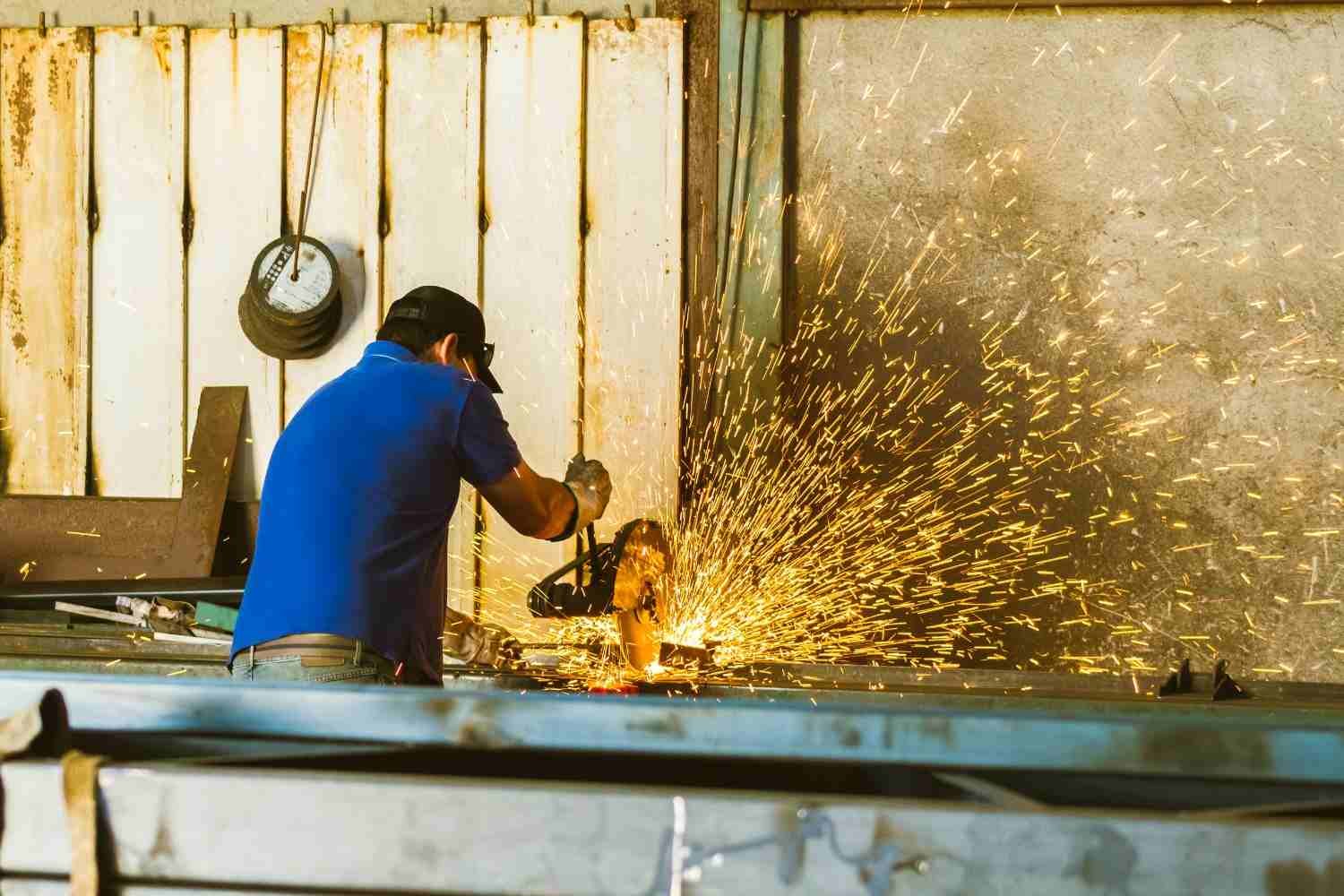
Choosing between MIG and stick welding depends on where the repair happens and the condition of the frame.
Why MIG Welding Is Popular for Truck Frame Repair
For many garage repairs, I prefer MIG because it offers easier control and cleaner results. A MIG welder for frame repair allows me to adjust voltage and wire speed more precisely, which helps when working with different frame thicknesses.
A common MIG setup for mild steel includes:
- .035-inch ER70S-6 solid wire
- 75/25 argon and CO₂ shielding gas
- Proper voltage and wire-speed settings based on steel thickness
ER70S-6 wire is widely used for mild steel because it provides good penetration and a reliable weld deposit. Proper shielding gas coverage is also important because contamination can create porosity and weaken the joint.
MIG is especially useful when:
- Working inside a garage
- Repairing accessible frame sections
- Welding cleaner steel
- Performing controlled frame patch welding
The main limitation is that MIG relies on shielding gas. Wind can disturb gas coverage, making it less convenient for outdoor repairs.
When Stick Welding Makes More Sense
Stick welding truck frame repairs can be a practical choice when working outdoors or in areas where carrying a gas cylinder is difficult.
For structural applications, E7018 low-hydrogen rods are commonly recommended because they provide strong weld deposits and good crack resistance when used correctly. Some experienced welders may use E6010 electrodes for root passes in certain situations where deeper penetration is needed.
The advantages of stick welding include:
- Works well outdoors
- Handles thicker steel
- Does not require shielding gas
- Performs better in windy conditions
The disadvantage is that it requires more skill. Maintaining the correct arc length and controlling heat input takes practice.
Is a Flux Core Welder Good for Truck Frame Repair?
A flux core welder for truck repair can be useful when portability matters. Self-shielded flux-core welding does not require an external gas bottle, making it convenient for outdoor repairs.
However, I usually consider it a secondary option because flux-core welding often creates more spatter and requires more cleanup than gas-shielded MIG welding.
For occasional repairs, it can work well when:
- The operator understands proper settings
- The steel is prepared correctly
- The machine has enough output
How Should I Prepare a Truck Frame Before Welding?
Preparation often determines whether a repair lasts. Even the best machine cannot create a strong weld over rust, paint, grease, or contamination.
Before welding, I remove damaged material and clean the area until I reach solid bare metal. If the repair involves cracks, I inspect the crack ends carefully and may use stop-drilling techniques to prevent the crack from continuing before welding.
I also avoid using chlorinated brake cleaner near the repair area. Certain chlorinated solvents can break down during welding and create extremely dangerous fumes.
Another important step is disconnecting the truck battery and protecting sensitive electronics before striking an arc. Welding current can potentially damage electrical components if proper precautions are ignored.
What Patch Design Mistakes Should I Avoid?
A frame patch is not simply a piece of metal welded over a damaged area. The design affects how stress moves through the chassis.
One mistake I avoid is creating sharp 90-degree patch corners. Sharp corners can concentrate stress and become starting points for future cracks. Rounded patch edges distribute forces more evenly and reduce stress concentration.
For larger repairs, reinforcement plates or fish plates may be used to spread loads across a wider area. However, the repair method should match the manufacturer’s recommendations and the severity of the damage.
Can I Weld a Rusted Truck Frame?
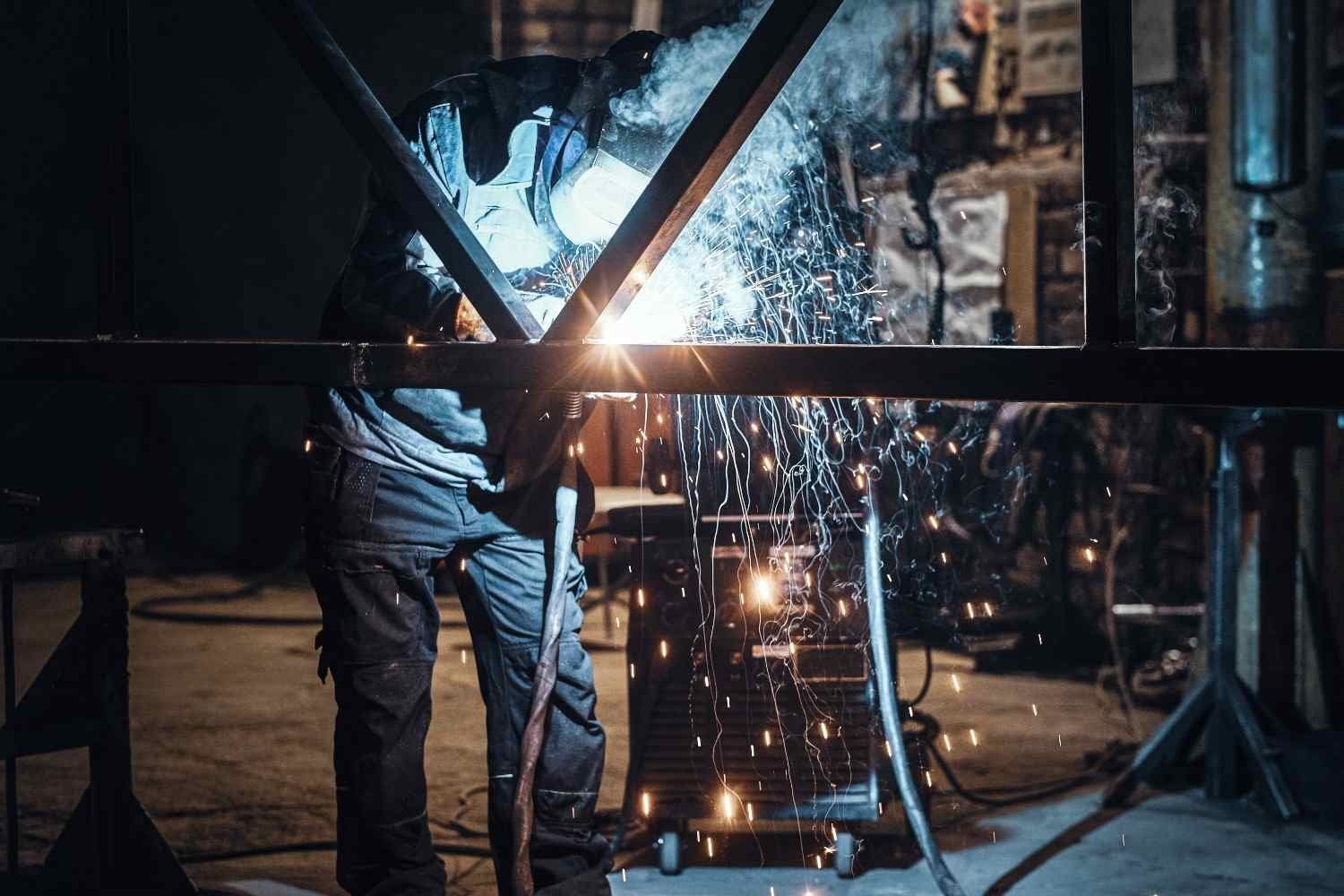
Welding rusted truck frames requires careful judgment. A small damaged section surrounded by strong steel may be repairable, but welding over severely weakened metal can create a dangerous false sense of security.
I avoid welding when:
- The frame metal is paper-thin
- Corrosion extends through large sections
- Suspension mounting areas are badly damaged
- The surrounding steel cannot support a repair
In those cases, replacing damaged sections or getting professional structural welding assistance may be safer.
My Recommended Setup for Truck Frame Welding
For most US garage users, I would choose a quality 220V MIG or multiprocess welder because it provides the best balance of control, versatility, and performance.
My preferred setup would include:
- 140–200 amp MIG capability
- .035-inch ER70S-6 wire
- 75/25 shielding gas
- Quality welding helmet and protective equipment
- Proper grinding and preparation tools
A stick welder with E7018 rods is an excellent alternative for experienced welders who regularly work outdoors or on heavier steel.
The right welder for patching truck frame repairs is only part of the solution. Proper preparation, correct filler material, and careful welding technique determine whether the repair will safely handle real-world driving conditions.
Frequently Asked Questions (FAQs)
1. What type of welder is best for truck frame repair?
A MIG welder is often the easiest choice for many garage-based truck frame repairs because it provides better control and cleaner welds. A 220V MIG or multiprocess machine is usually preferred for structural repairs.
2. How many amps does a welder need for a truck frame?
Most truck frame repairs benefit from a welder capable of at least 140 amps, while heavier chassis work may require 180–200 amps or more depending on steel thickness.
3. Can I use a stick welder for truck frame welding?
Yes. Stick welding is commonly used for structural repairs, especially outdoors. E7018 low-hydrogen rods are a popular choice for clean steel frame repairs.
4. What wire should I use for MIG welding a truck frame?
For mild steel frame repairs, .035-inch ER70S-6 wire with a 75/25 argon-CO₂ shielding gas mixture is a common setup.
Final Thoughts
Choosing the right welder for patching truck frame damage depends on steel thickness, repair location, and required penetration. While the best welder for car body panels usually emphasizes low-end heat control for thin sheet metal, frame work requires deeper penetration and greater output. I prefer a 220V MIG or multiprocess welder for controlled garage repairs, while stick welding suits heavier or outdoor work. Proper preparation, filler metal, heat control, patch design, and inspection remain essential for lasting structural reliability.