A welding table can completely change the way I approach metal fabrication, but only when the fixture system matches the work I do. A poorly planned hole layout can make simple tasks like aligning tubing, securing brackets, or holding assemblies square much more difficult. Before drilling the first hole, I need to understand which standard will give me the best combination of accuracy, flexibility, and clamping strength.
The right welding table hole size for clamps depends on several factors, including the type of projects I build, the thickness of my tabletop, and the accessories I want to use. In the US, 16mm (5/8 inch) systems are widely preferred for garage shops and precision fabrication, while 28mm systems are designed for heavier industrial work where larger fixtures and greater holding force are required.
By choosing the correct hole diameter and spacing, I can turn a basic steel surface into a reliable fixture table that improves accuracy, speeds up setup, and supports everything from small repair jobs to advanced fabrication projects.
What Are the Standard Welding Table Hole Sizes?
Most modular welding tables use either a D16 or D28 fixture system. These sizes have become popular because they provide a standardized way to mount clamps, stops, locating pins, and other welding accessories while improving the effect of holding force during fabrication.
A 16mm welding table system uses holes approximately 0.63 inches in diameter and is commonly paired with a tighter grid pattern. This system works extremely well for small and medium fabrication projects where accuracy, flexibility, and consistent holding force matter.
A 28mm welding table system uses larger holes designed for stronger fixture components. These tables are commonly found in professional fabrication environments where large steel assemblies require higher holding forces and where the effect of holding force directly impacts alignment and weld accuracy.
For most American home shops, I find that 16mm or 5/8-inch tables provide the best balance between cost, accessory availability, and everyday usefulness. They offer enough clamping strength for common projects without the higher cost and heavier setup requirements of larger professional systems.
16mm vs 28mm Welding Table: Which One Is Better?
The choice between 16mm and 28mm comes down to the type of work being performed.
A 16mm welding table is ideal when I am working on:
- Sheet metal projects
- TIG welding assemblies
- Motorcycle parts
- Small frames
- Automotive brackets
- Custom fixtures requiring precise positioning
The smaller holes allow more adjustment points, especially when combined with a tighter grid pattern.
A 28mm welding table is better suited for:
- Structural steel fabrication
- Large square tubing projects
- Heavy machinery frames
- Production welding fixtures
- Thick plate assemblies
The larger pins provide better resistance against bending and higher loads when using aggressive clamps or when aligning heavy material.
Neither system is universally better. A hobby welder building gates or repair projects usually does not need a 28mm industrial fixture table, while a fabrication shop producing large assemblies may quickly outgrow a smaller system.
What Hole Spacing Should a Welding Table Have?
Hole diameter is only one part of the design. The grid spacing determines how easily I can position clamps and fixtures.
Most 16mm welding tables use a 50mm (2-inch) grid pattern. This tighter spacing gives me more options when securing smaller parts because I can place clamps closer to edges and corners.
Most 28mm systems use a 100mm (4-inch) grid pattern. This wider spacing reduces manufacturing complexity while still providing enough adjustment for large fabrication work. Some systems also use diagonal layouts to improve fixture flexibility.
For a garage welding table, I generally prefer the tighter 50mm pattern because it gives more control over different project sizes.
What Table Thickness Works Best With Different Hole Sizes?
The tabletop thickness should match the amount of force the fixture system will experience.
A 16mm system is commonly paired with thinner precision tables, often around 6mm to 12mm thick steel. These tables are excellent for detailed fabrication where accuracy matters more than extreme force.
A 28mm system is usually found on heavier tables using thicker plate material, often around 20mm to 25mm, because the larger clamps and fixtures are designed for demanding applications.
A thick tabletop alone does not guarantee a good welding table. The frame underneath must also be rigid enough to prevent movement while welding. A flexible table can reduce accuracy even when the hole pattern is perfectly machined.
Are 5/8-Inch and 16mm Welding Table Holes the Same?
This is one area where many DIY builders make mistakes.
A true 5/8-inch hole measures 15.875mm, while a 16mm hole is slightly larger at approximately 16mm. The difference is small, but precision fixture systems may have specific tolerances to ensure clamps slide smoothly without excessive movement.
If I am drilling my own welding table, I always check the actual specifications of the clamps and accessories I plan to use. Mixing metric and imperial components can sometimes create problems with tight-fitting locating pins.
For general garage fabrication, many accessories can work across both systems, but precision fixture work requires closer attention.
Should I Choose a 3/4-Inch Welding Table Hole System?
Some manufacturers offer 3/4-inch (19.05mm) holes as a middle option between 16mm and 28mm systems.
While this size may seem like a compromise, it can create compatibility problems. The biggest advantage of standardized welding table systems is the wide range of available clamps, stops, and accessories.
A less common hole size may limit future upgrades because many fixture manufacturers focus on established 16mm and 28mm ecosystems.
For most builders, choosing a recognized standard is usually the smarter long-term investment.
What Is the Best Welding Table Hole Size for a DIY Garage Shop?
For most US garage welders, I recommend a 16mm or 5/8-inch system with a 50mm grid pattern. It provides enough strength for common fabrication projects while keeping clamps and accessories affordable.
When setting up a garage welding station, I also need to consider the distance between the welding machine and the table. Choosing the right welding cable size for long leads can help maintain proper electrical performance when the equipment needs to be positioned farther away from the work area.
This setup works well for:
- MIG welding projects
- TIG fabrication
- Farm repairs
- Trailer components
- Furniture frames
- General metalworking
If I regularly weld large structural components or need extremely high clamping pressure, moving to a 28mm system makes more sense.
The best table is not the largest one available. It is the one that matches the work I actually perform.
Common Mistakes When Choosing Welding Table Clamp Holes
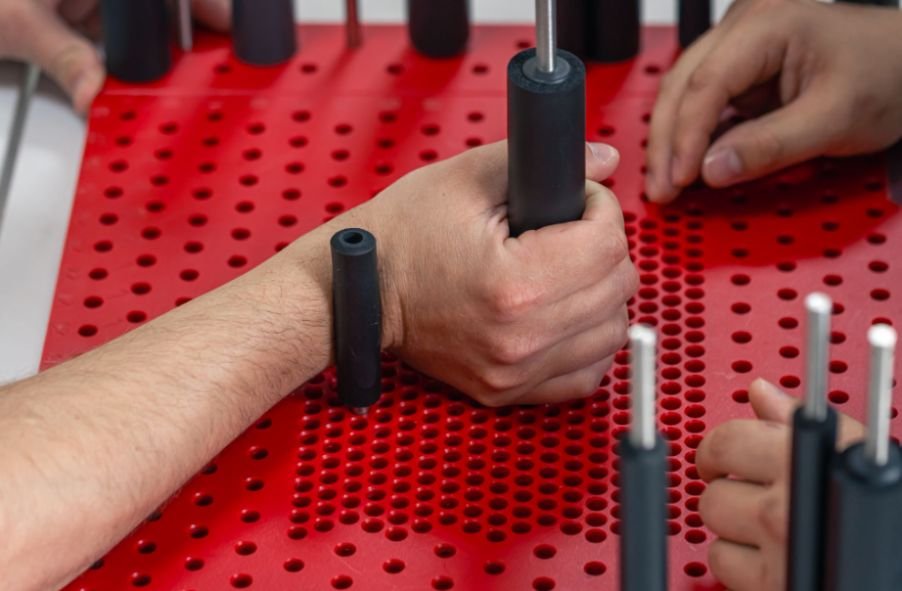
One common mistake is choosing a hole size without considering accessories. A table is only useful when clamps, stops, and fixtures are easy to find.
Another mistake is focusing only on diameter while ignoring spacing. A larger hole doesn’t automatically create a better fixture system if the grid pattern doesn’t suit the projects being built.
I also avoid drilling holes into thin material without proper reinforcement. Repeated clamp pressure can distort the holes and reduce accuracy over time.
Planning the hole pattern before fabrication saves money and prevents compatibility problems later.
Proper safety planning is equally important when welding outside a controlled shop environment. Before starting field work, following a field welding safety checklist can help ensure the work area, equipment, protective gear, and surrounding conditions are properly assessed.
Frequently Asked Questions
1. What is the best welding table hole size for clamps?
For most US hobby welders and small fabrication shops, 16mm (5/8-inch) holes are the best option because they provide excellent flexibility, affordable accessories, and enough strength for everyday projects.
2. Is a 28mm welding table stronger than a 16mm table?
A 28mm system can handle higher clamping forces because it uses larger pins and heavier fixtures. However, a 16mm table is often more practical for smaller precision projects.
3. What hole spacing is best for a welding fixture table?
A 50mm grid is ideal for most DIY and precision fabrication work. A 100mm grid is commonly used on heavy-duty 28mm fixture tables.
4. Can I use 16mm clamps in 5/8-inch welding table holes?
The sizes are extremely close, but precision accessories may have different tolerances. Check manufacturer specifications before mixing systems.
Final Thoughts
Choosing the right fixture system comes down to understanding how I use my welding table. A 16mm setup gives most US welders the flexibility needed for garage projects, repairs, and precision fabrication. A 28mm system provides the extra strength required for heavy industrial work where higher clamping pressure and proper electrode force management can influence stability and weld consistency.
Before drilling hundreds of holes or buying a new table, I always consider my project size, clamp requirements, and future expansion plans. A well-designed fixture table can become one of the most valuable tools in any welding shop, helping maintain accurate positioning, consistent holding pressure, and better control during fabrication.